Why Compare UML Diagrams? UML offers multiple diagram types, each highlighting different aspects of a system. While they may overlap, they serve unique purposes. Knowing when to use sequence diagrams...
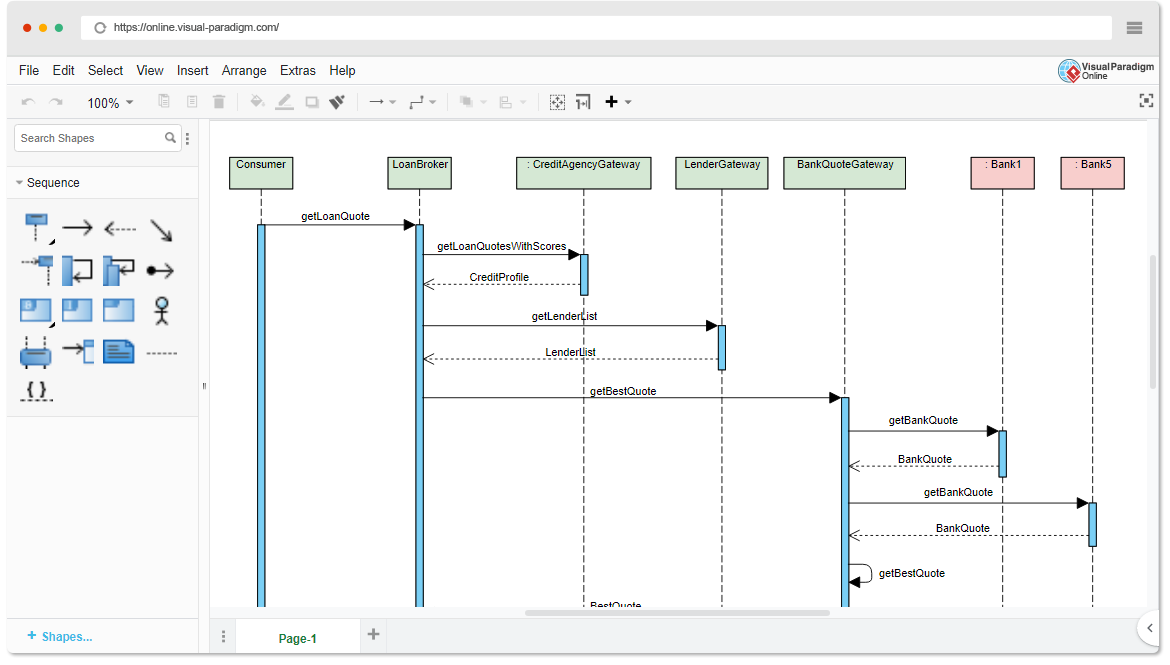
Sequence diagrams play a vital role in translating user interactions into structured system architecture. By showing the flow of messages between actors and system components, they provide the missing...
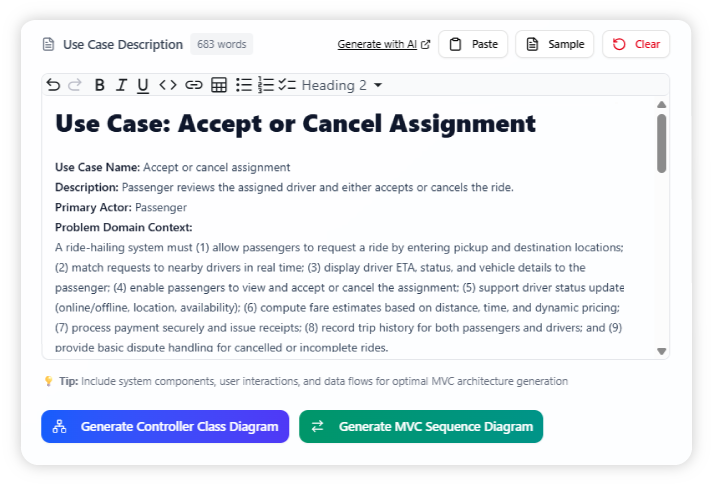
A clear use case description is the foundation of effective system design. Before drawing sequence diagrams, documenting what a system should do in simple language ensures accuracy, consistency, and a...
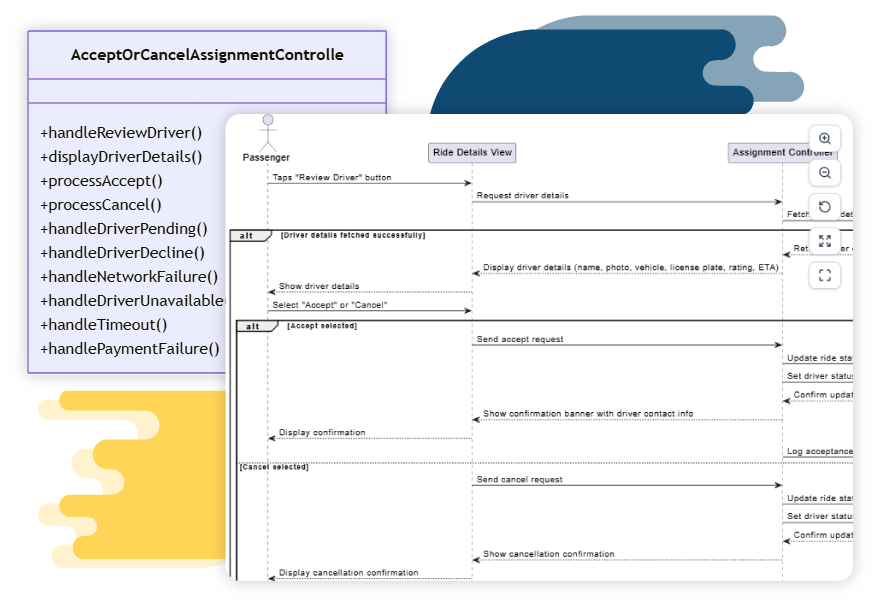
The Accept or Cancel Assignment use case is a central function in ride-hailing platforms. It shows how a driver receives a ride request, reviews passenger details, and decides whether to accept or...
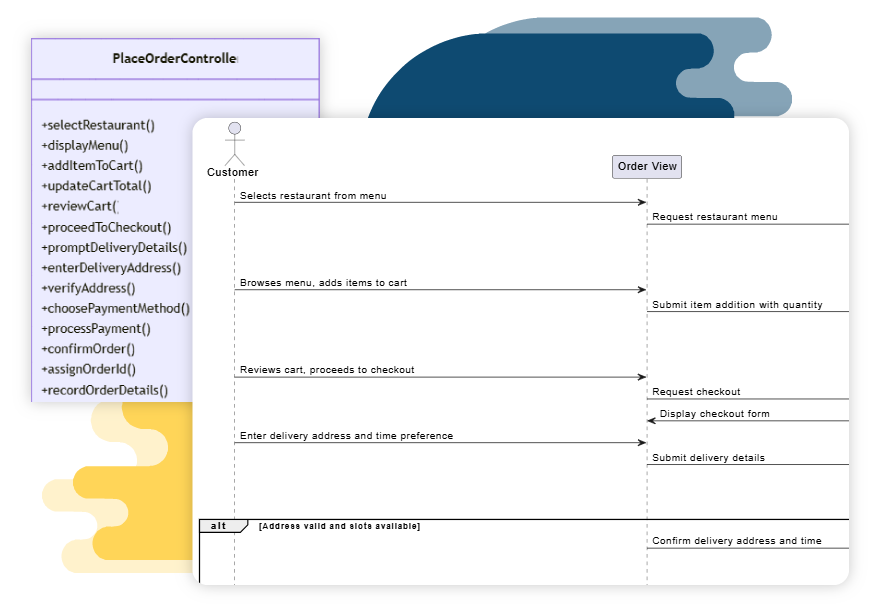
The Place Order use case is a key feature in food delivery and online ordering platforms. It demonstrates how a customer selects a restaurant, browses the menu, adds items to the cart, and reviews the...
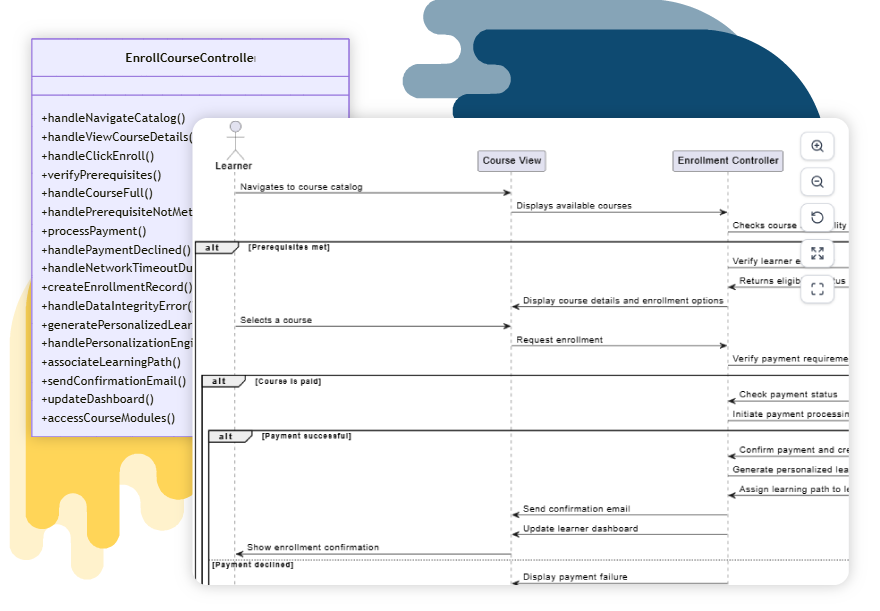
The Enroll in Course use case is a central feature in many e-learning platforms. It shows how a student browses the course catalog, reviews details, checks prerequisites, and confirms enrollment. With...
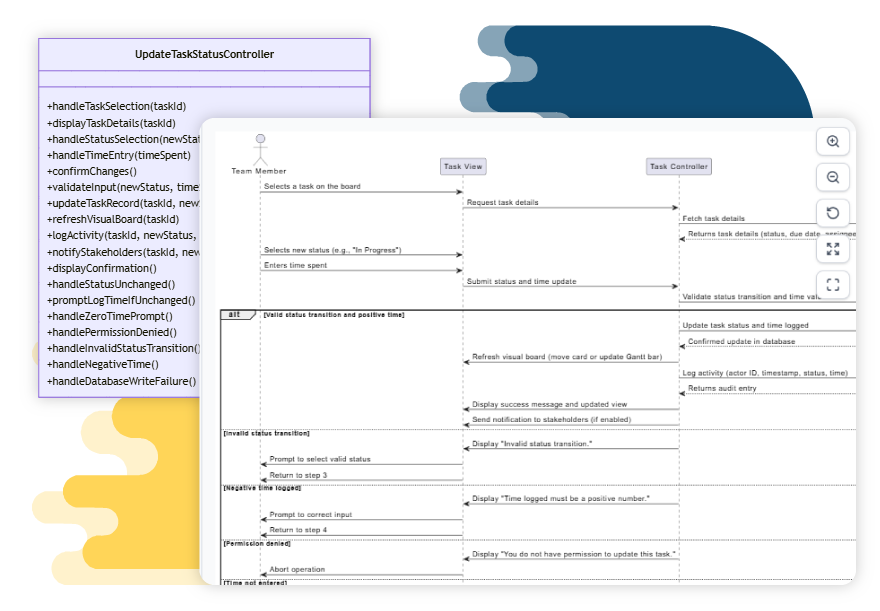
The Update Task Status use case is commonly seen in project management and collaboration tools. It represents how a team member selects a task, updates its progress, and logs the time spent. With the...
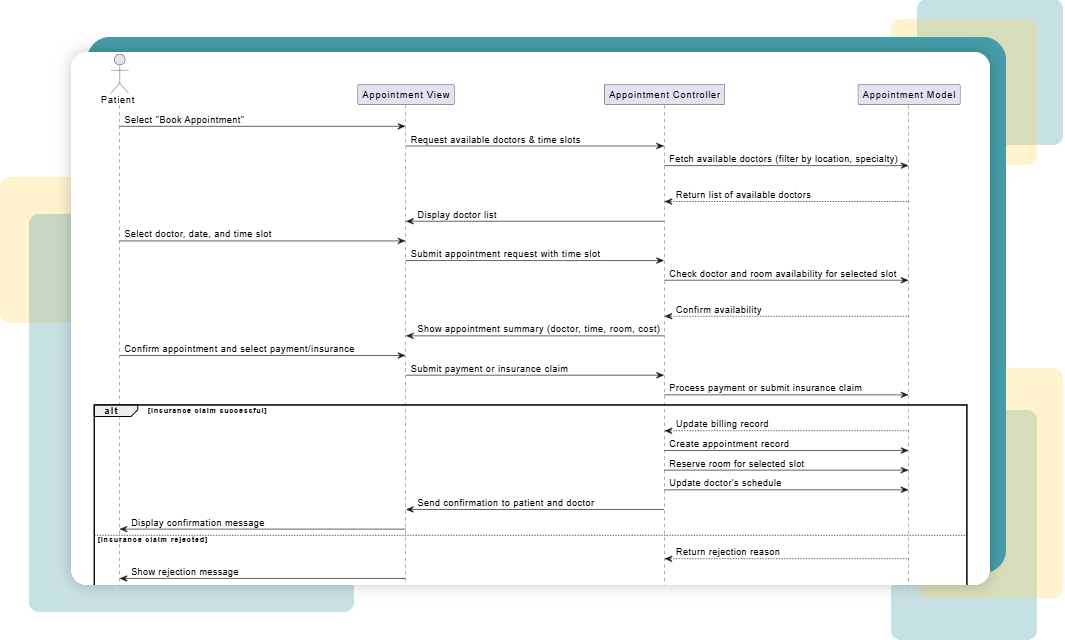
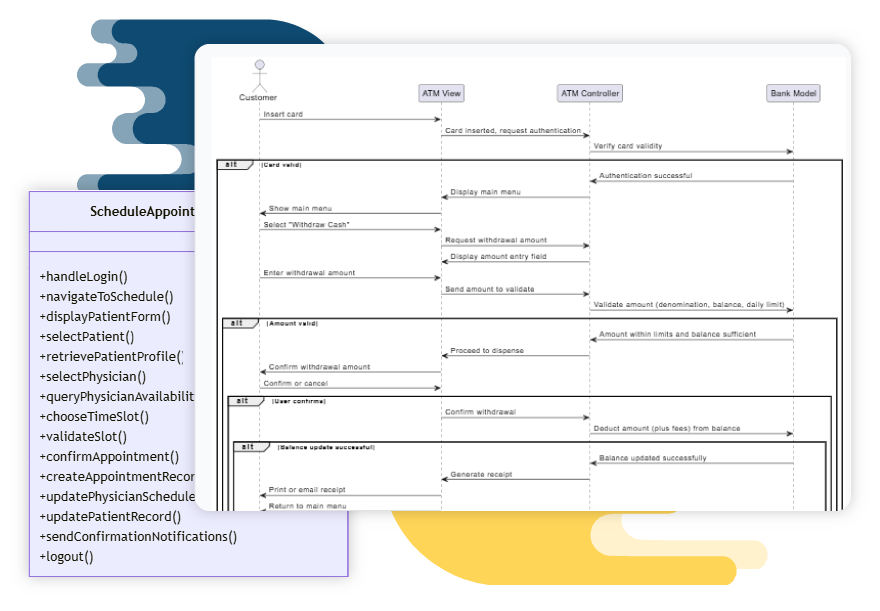
The Schedule Appointment use case is a common process in healthcare and service systems. It demonstrates how a patient or user logs in, selects a physician, views available time slots, and books an...
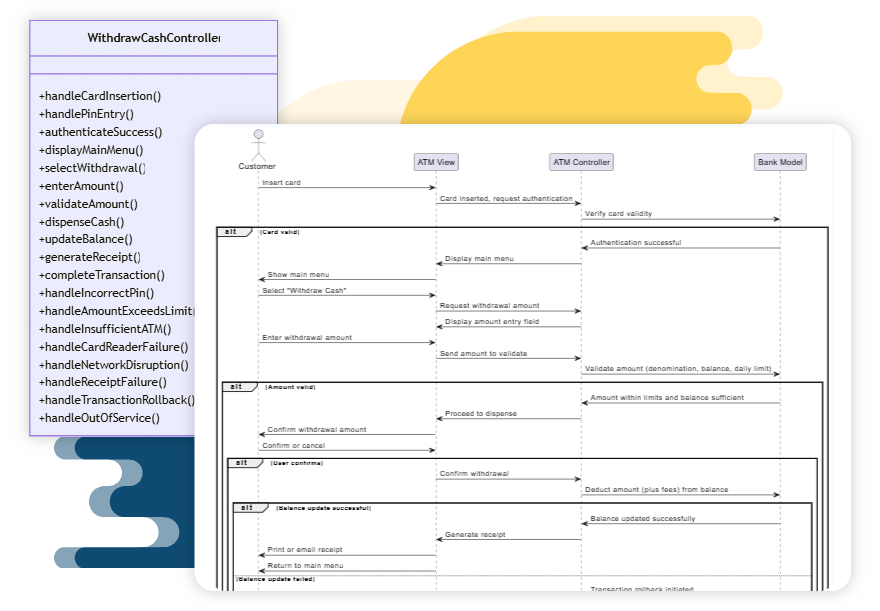
The Withdraw Cash use case is one of the most common scenarios in an ATM system. It illustrates how a customer interacts with the ATM machine to insert their card, verify their PIN, and withdraw money...