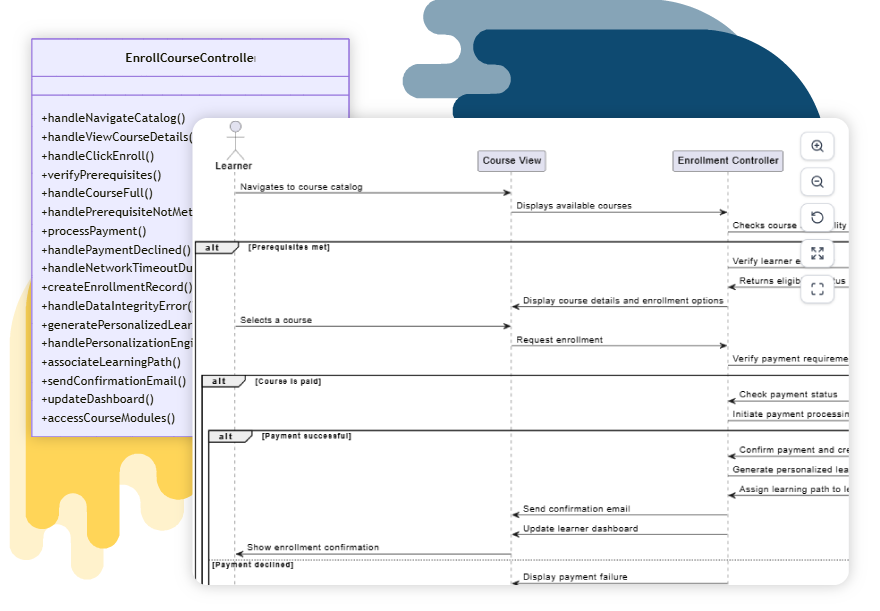
The Enroll in Course use case is a central feature in many e-learning platforms. It shows how a student browses the course catalog, reviews details, checks prerequisites, and confirms enrollment. With...
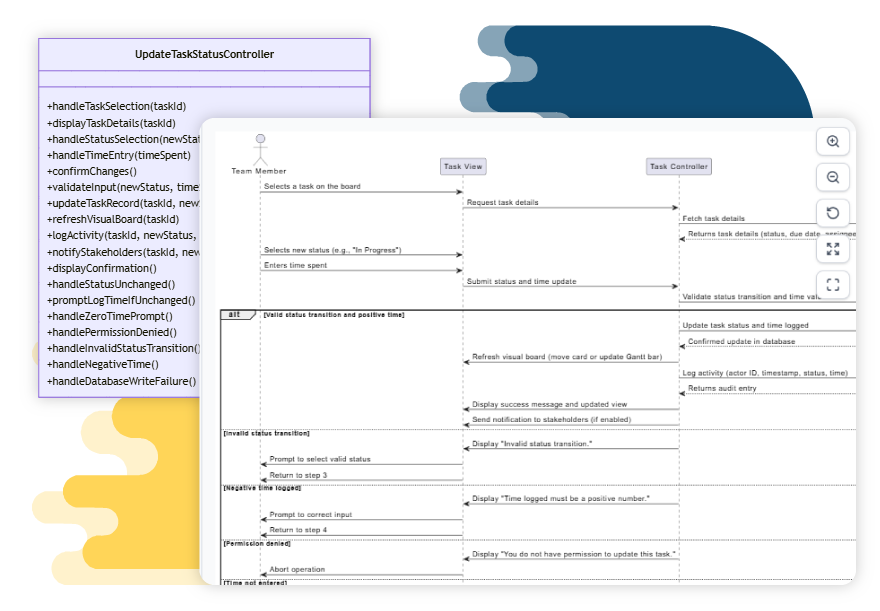
The Update Task Status use case is commonly seen in project management and collaboration tools. It represents how a team member selects a task, updates its progress, and logs the time spent. With the...
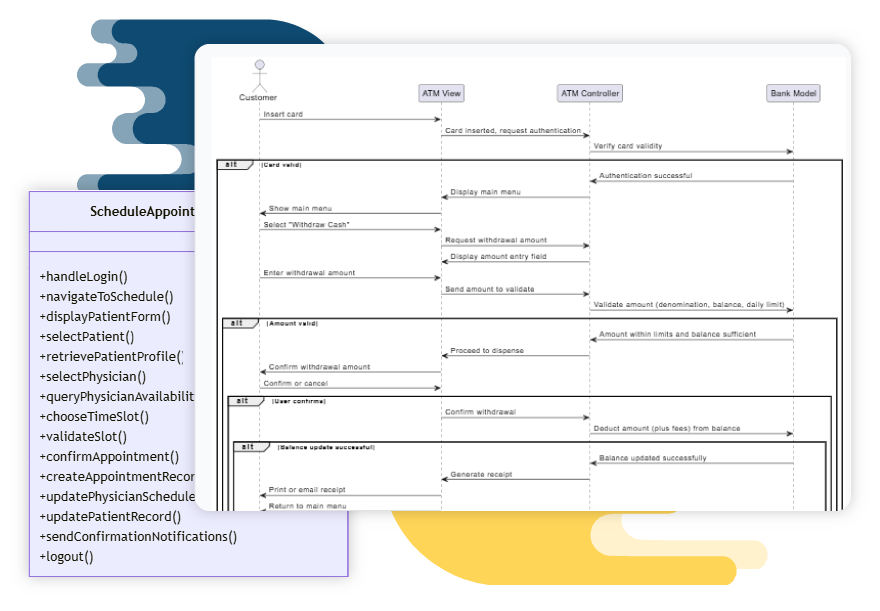
The Schedule Appointment use case is a common process in healthcare and service systems. It demonstrates how a patient or user logs in, selects a physician, views available time slots, and books an...
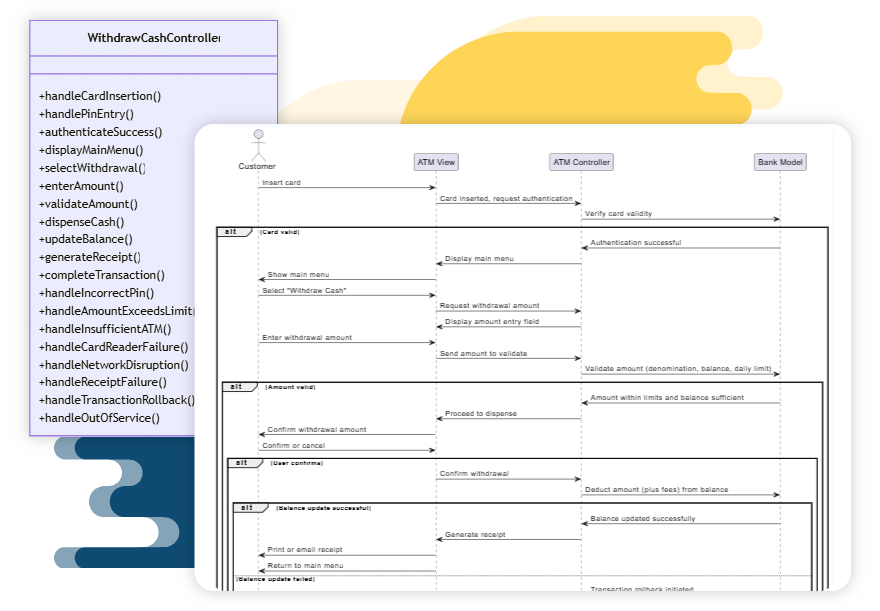
The Withdraw Cash use case is one of the most common scenarios in an ATM system. It illustrates how a customer interacts with the ATM machine to insert their card, verify their PIN, and withdraw money...
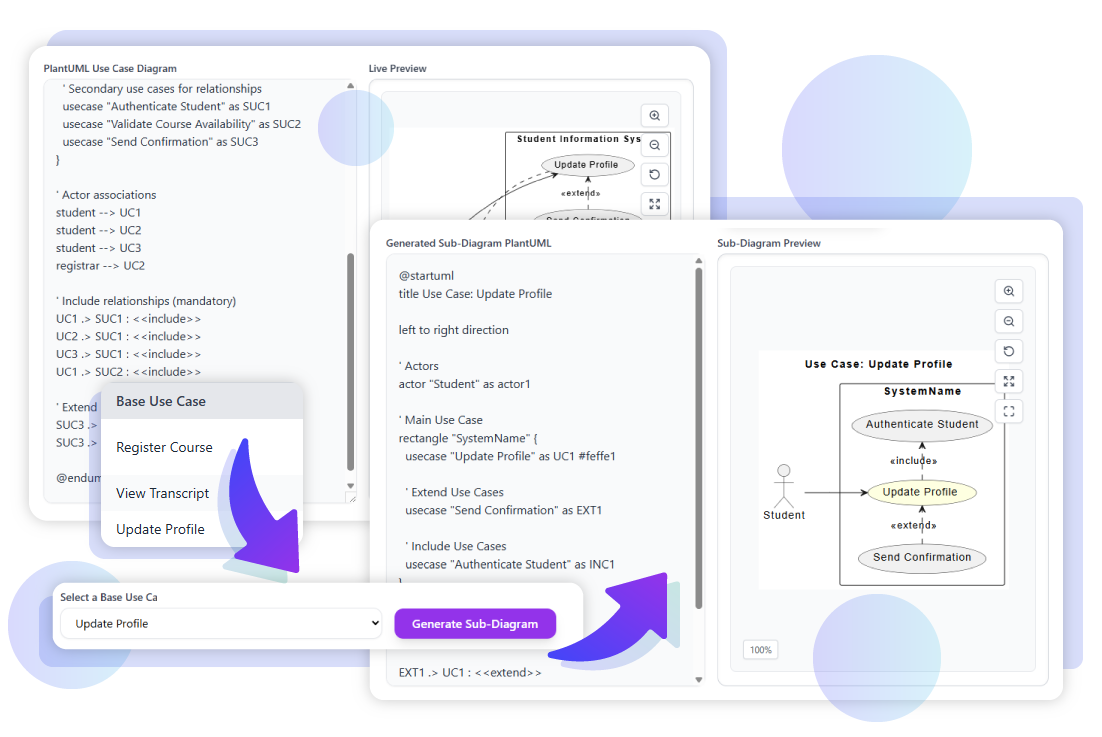
Use case diagrams are powerful, but once <include> and <extend> relationships multiply, the visual layout can quickly get messy. Lines cross over, actors get pushed around, and the diagram...
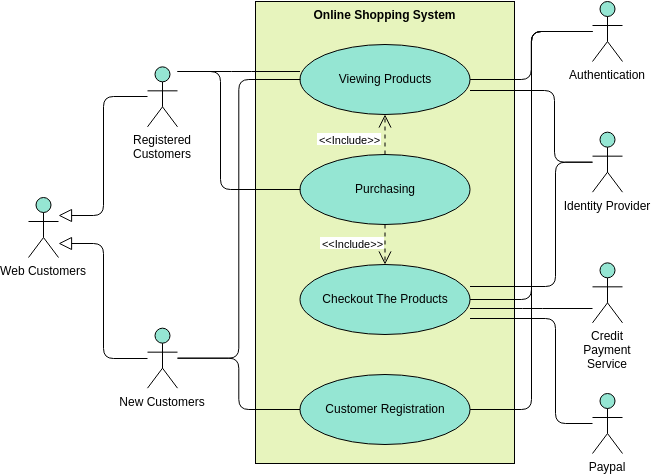
Use case diagrams can grow rapidly in complexity. As you add more actors, use cases, and especially and relationships, the diagram can turn into a tangled web of connectors. What started as a clear...
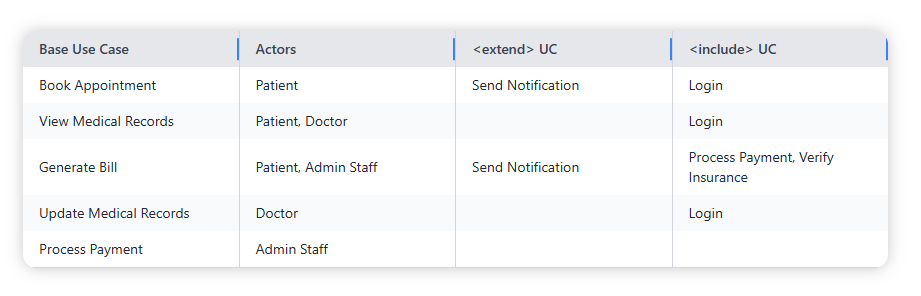
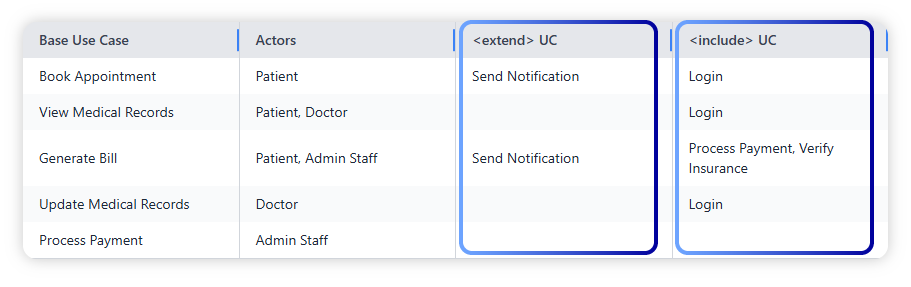
Use case diagrams are widely used to describe system functionality from the perspective of actors and their goals. Two common relationships that often appear in these diagrams are and . While they...
One of the biggest challenges in software projects is communication. Business stakeholders want to see how their requirements are captured, while developers and testers need precise details to...
In a Student Information System, keeping personal details accurate is essential. Students frequently update their contact information, emergency details, or academic preferences. This example focuses...
 Visual Paradigm Desktop |
  Visual Paradigm Online