Designing software systems often requires trial and error. A team may brainstorm an idea, sketch it out, and then adjust once they realize how it actually looks in practice. Traditional diagramming...
In software architecture, different UML diagrams serve different purposes. Two of the most commonly used are deployment diagrams and component diagrams. While they may look similar at first glance...
Software architecture is complex, and documenting it effectively is critical for long-term success. Teams need diagrams that are not only clear but also easy to maintain, scalable, and consistent...
Clear communication is one of the biggest challenges in software projects. Developers, architects, and business stakeholders often use different terms, making it difficult to align expectations...
Clear communication is at the heart of good software design. While code explains how a system works, diagrams explain how that system fits together at a higher level. One of the most valuable tools...
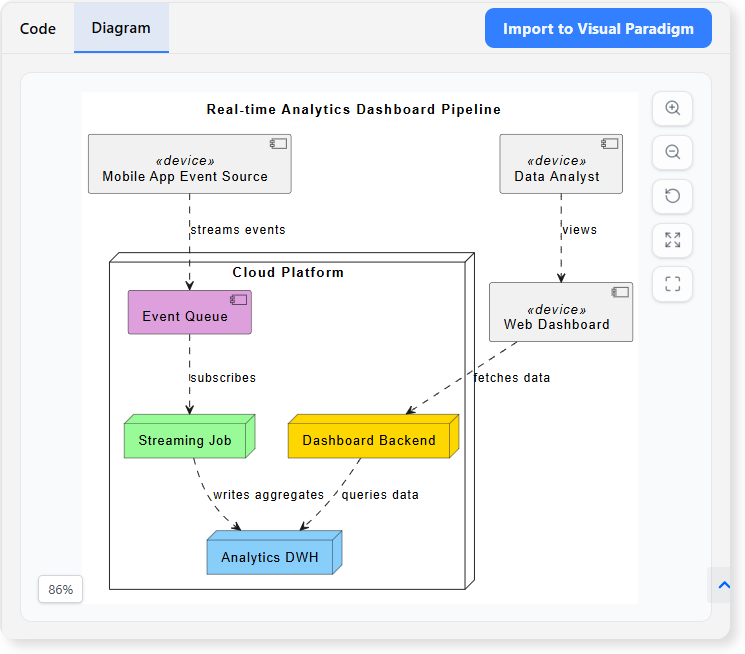
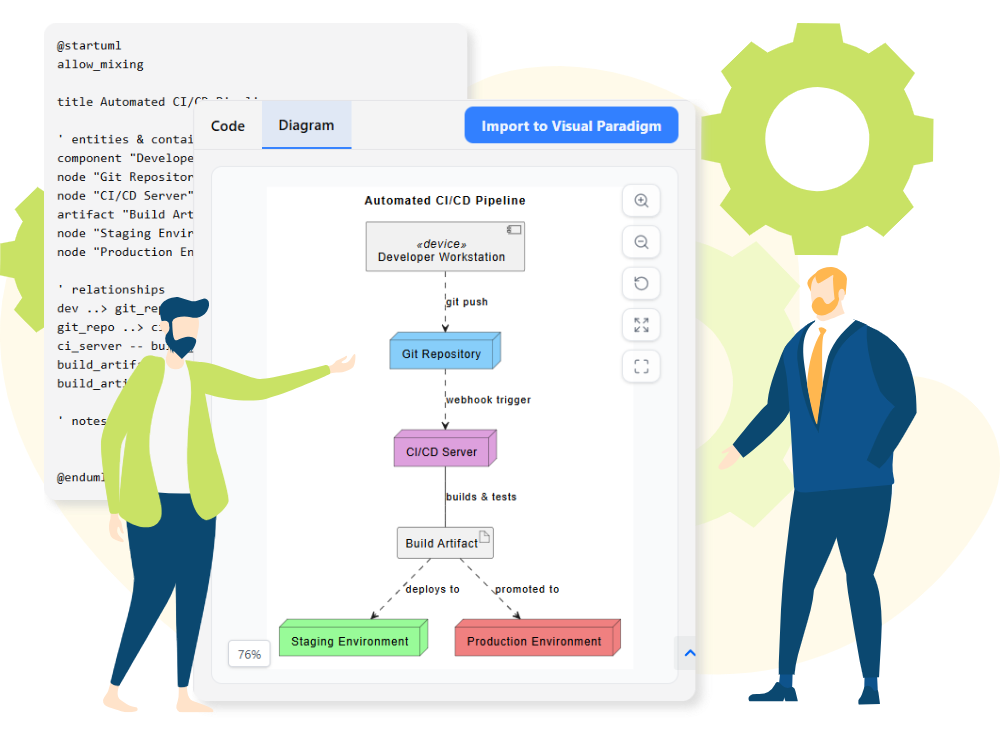
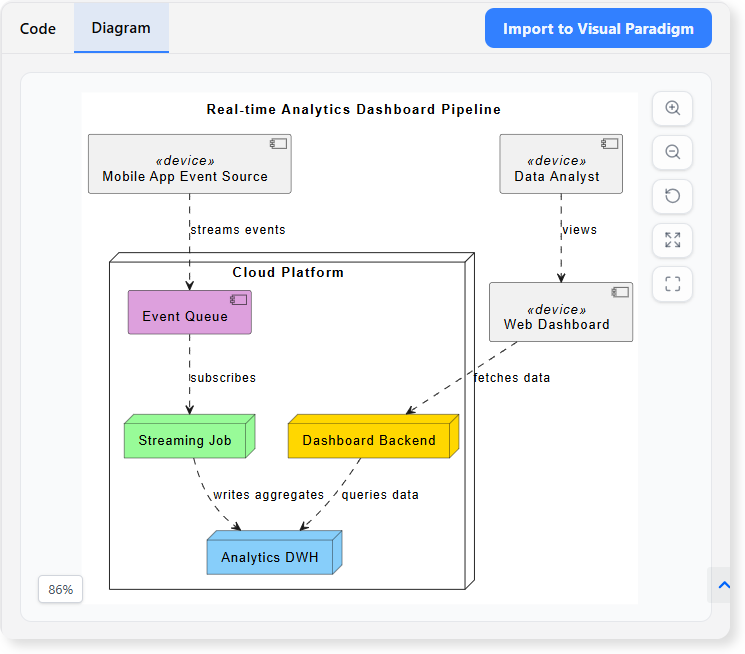
Deployment diagrams are a critical part of software documentation. They show how components, servers, databases, and cloud services fit together in a system. While PlantUML offers a way to write these...
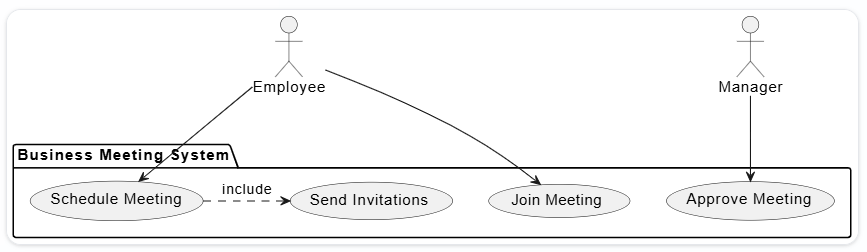
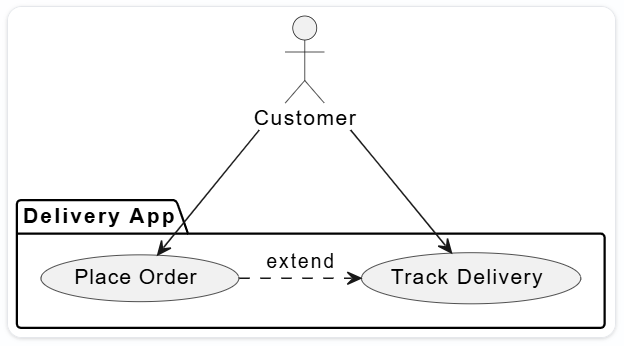
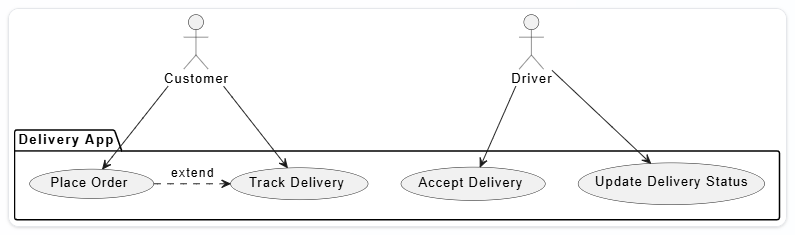
As a manager, aligning your team and stakeholders around a clear project vision is critical. Use case diagrams, created with tools like PlantUML, provide a straightforward way to map out who interacts...
As a developer, your focus is on crafting efficient, functional code. However, creating clear use case diagrams to map out system interactions is a critical step in the planning process. These...
If you’re a student in a computer science or IT class, you’ve probably heard of “use case diagrams.” They might sound complicated, but the idea behind them is actually very...