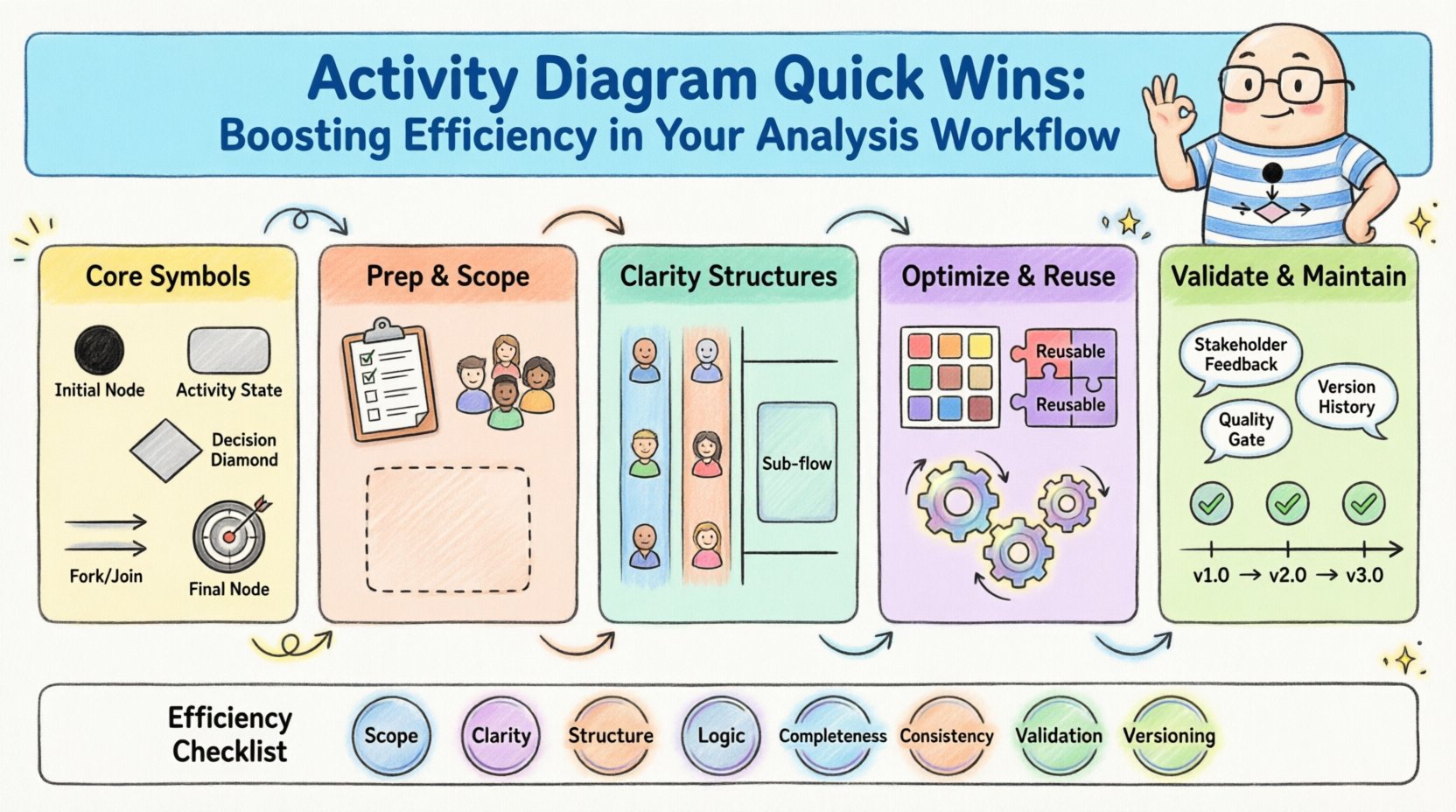
In the complex landscape of system modeling and business analysis, clarity is currency. Activity diagrams serve as a critical bridge between abstract requirements and concrete implementation logic. They visualize the

In the complex landscape of system modeling and business analysis, clarity is currency. Activity diagrams serve as a critical bridge between abstract requirements and concrete implementation logic. They visualize the
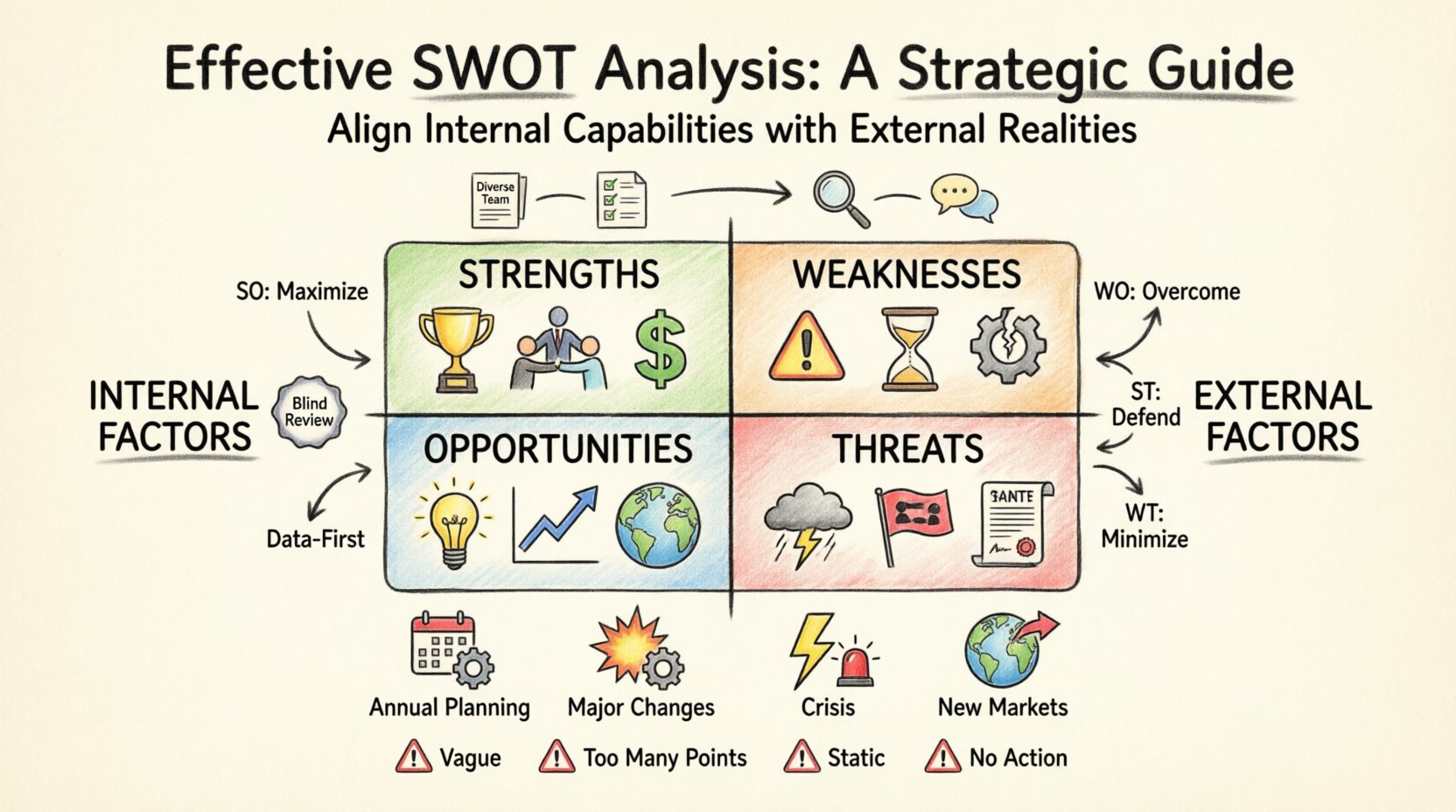
Strategic planning often feels like navigating a ship through fog. You know you need a direction, but the obstacles and opportunities are not always visible. The SWOT analysis remains one
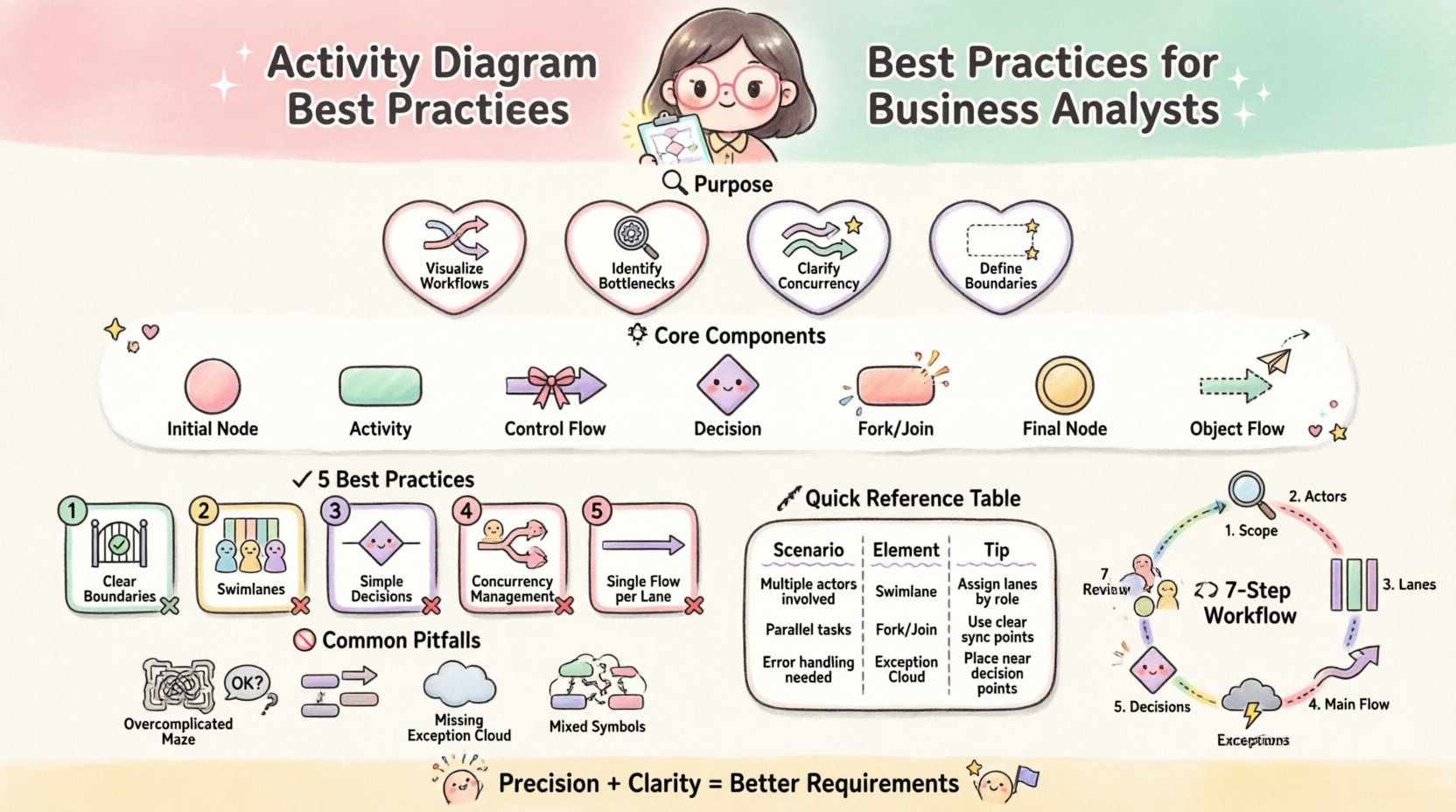
Activity diagrams serve as a cornerstone in the visualization of business processes and system behaviors. For business analysts and requirements engineers, understanding how to construct these diagrams is not merely
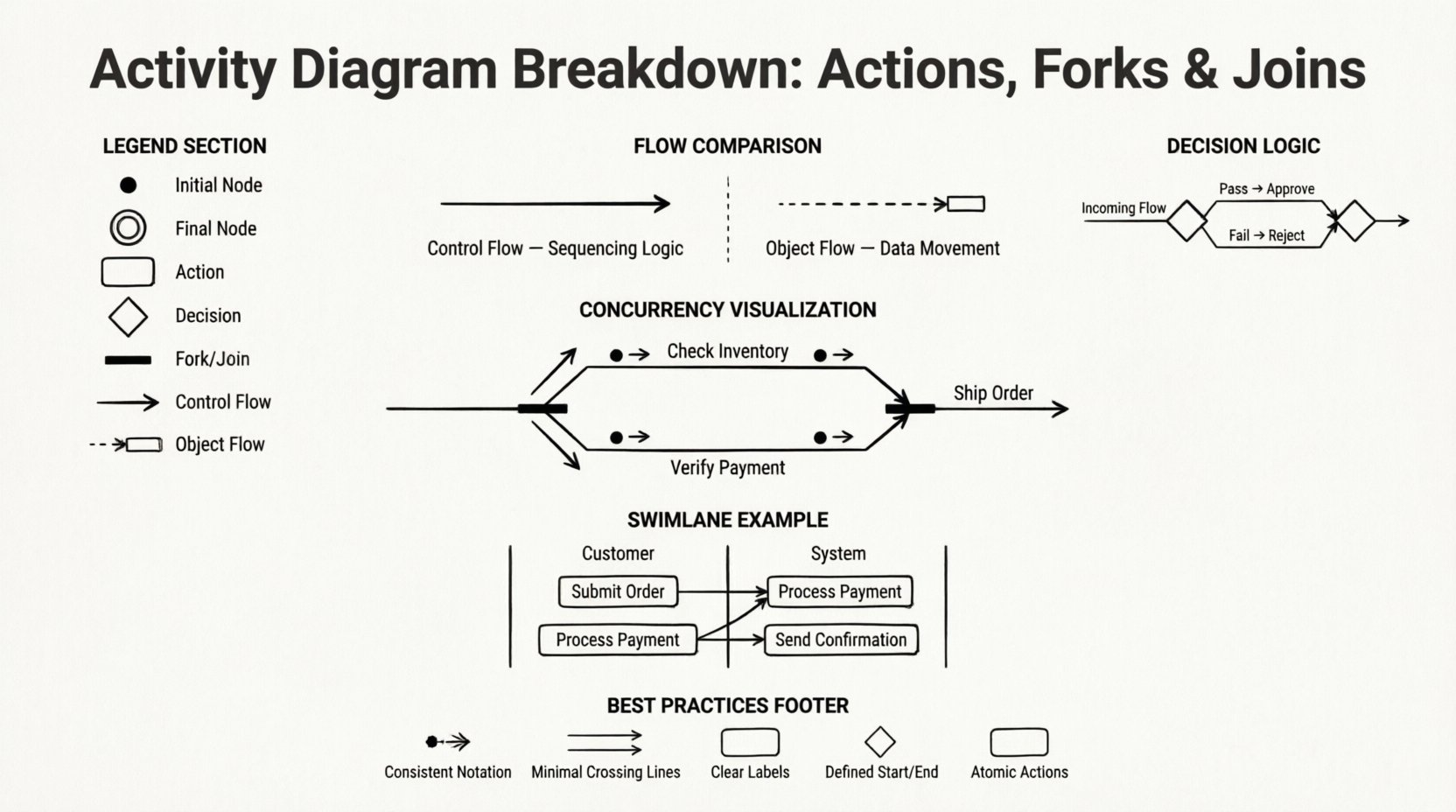
Activity diagrams serve as a fundamental tool within the Unified Modeling Language (UML) ecosystem. They provide a dynamic view of system behavior, focusing on the flow of control and data
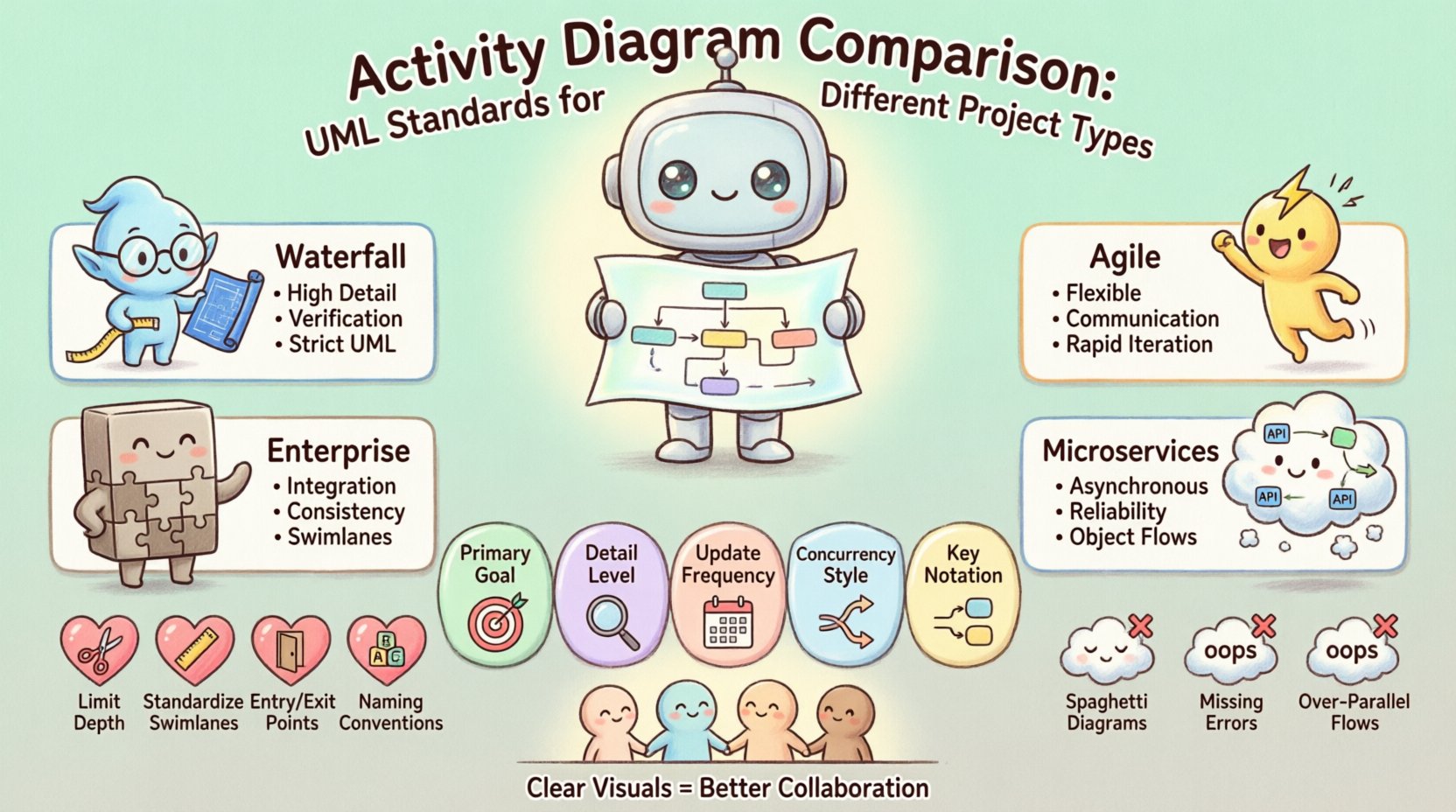
Understanding workflow dynamics is critical in system design. Activity diagrams serve as a cornerstone for visualizing operational logic, offering a clear path from input to output. When teams select specific
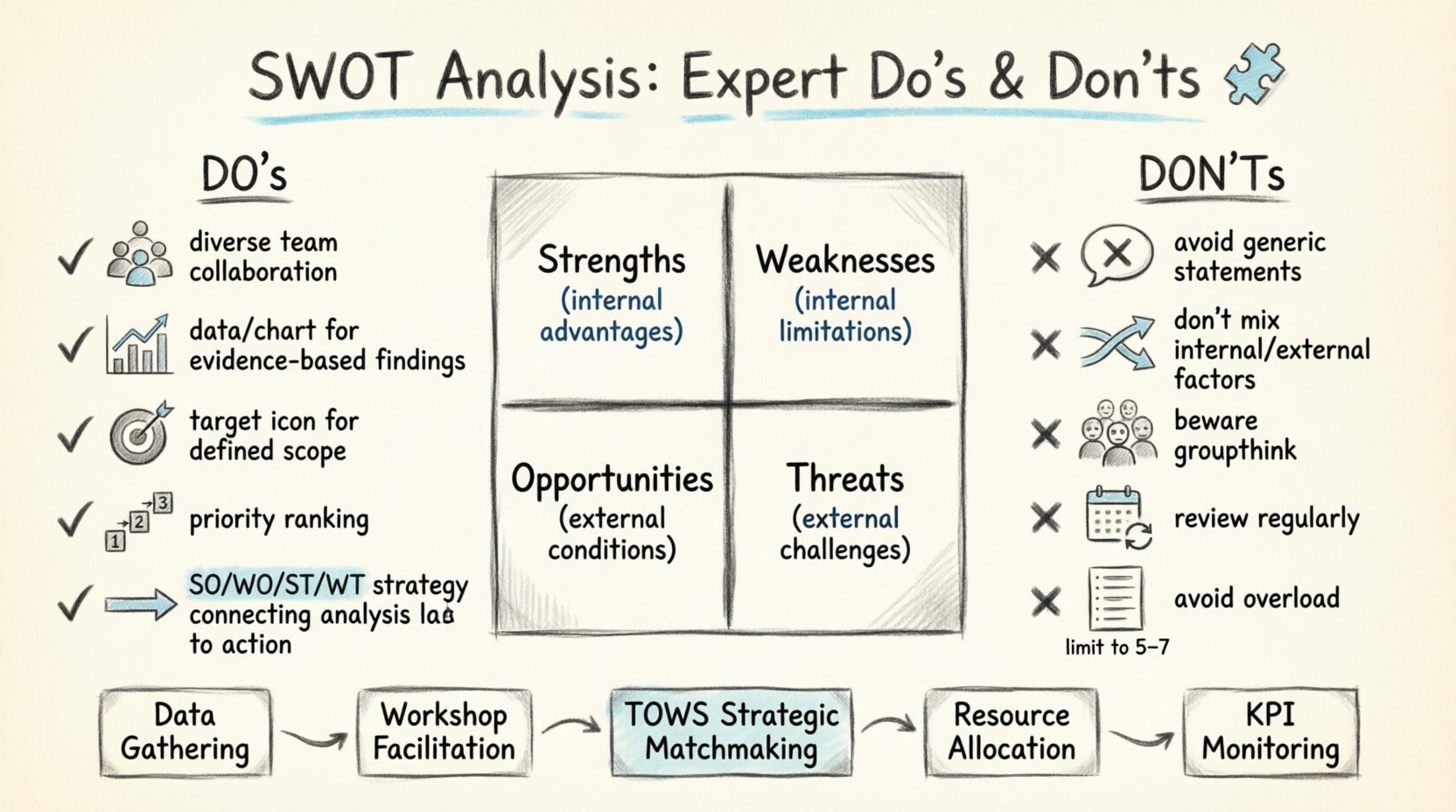
Strategic planning forms the backbone of organizational success. Among the various frameworks available, the SWOT analysis remains a staple for corporate strategy managers. It provides a structured approach to evaluating

Activity diagrams represent the behavioral aspect of a system, illustrating the flow of control from one activity to another. They serve as a critical bridge between high-level business processes and
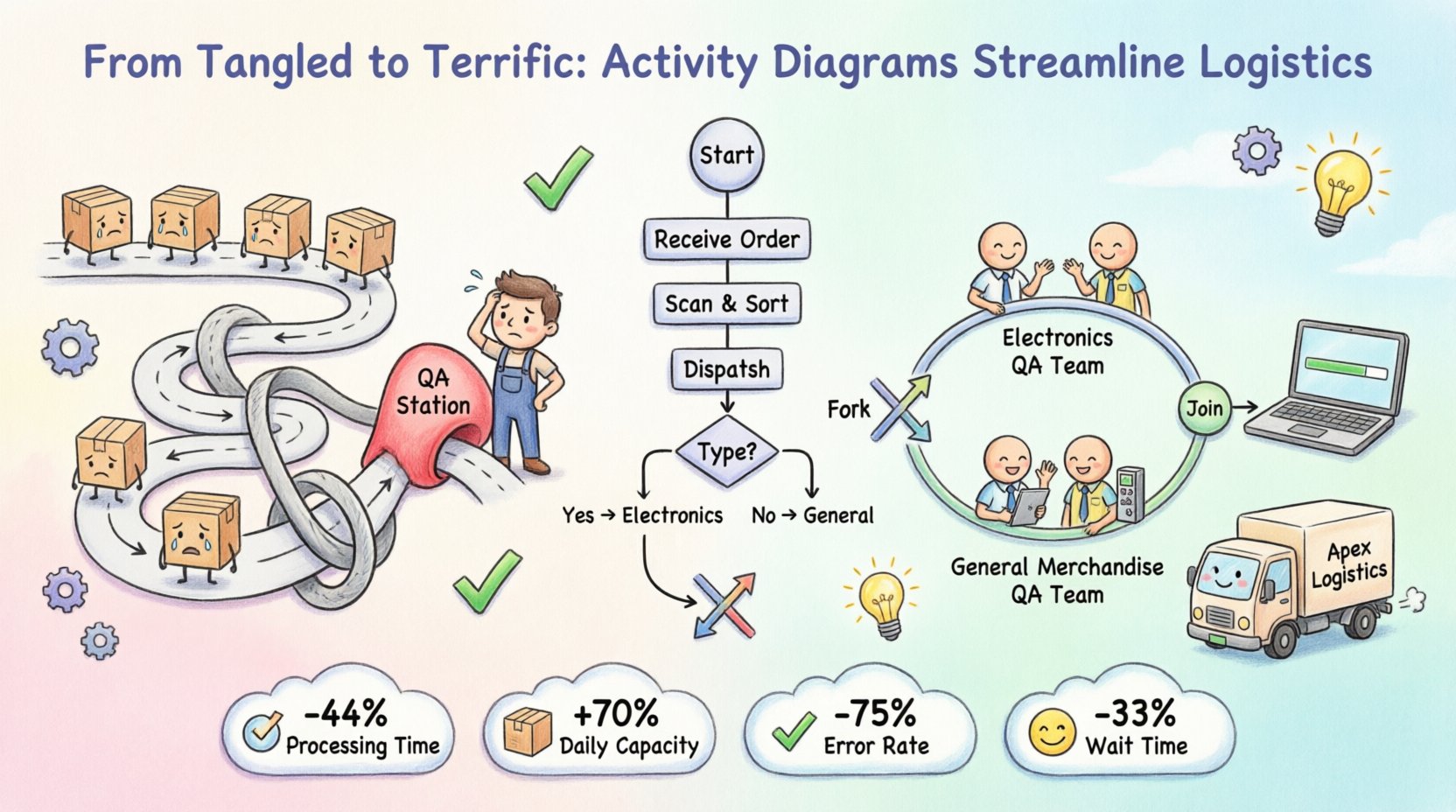
Business operations often resemble a tangled web of interactions. Departments work in silos, information gets lost in handoffs, and bottlenecks emerge where they least expected. To navigate this complexity, organizations
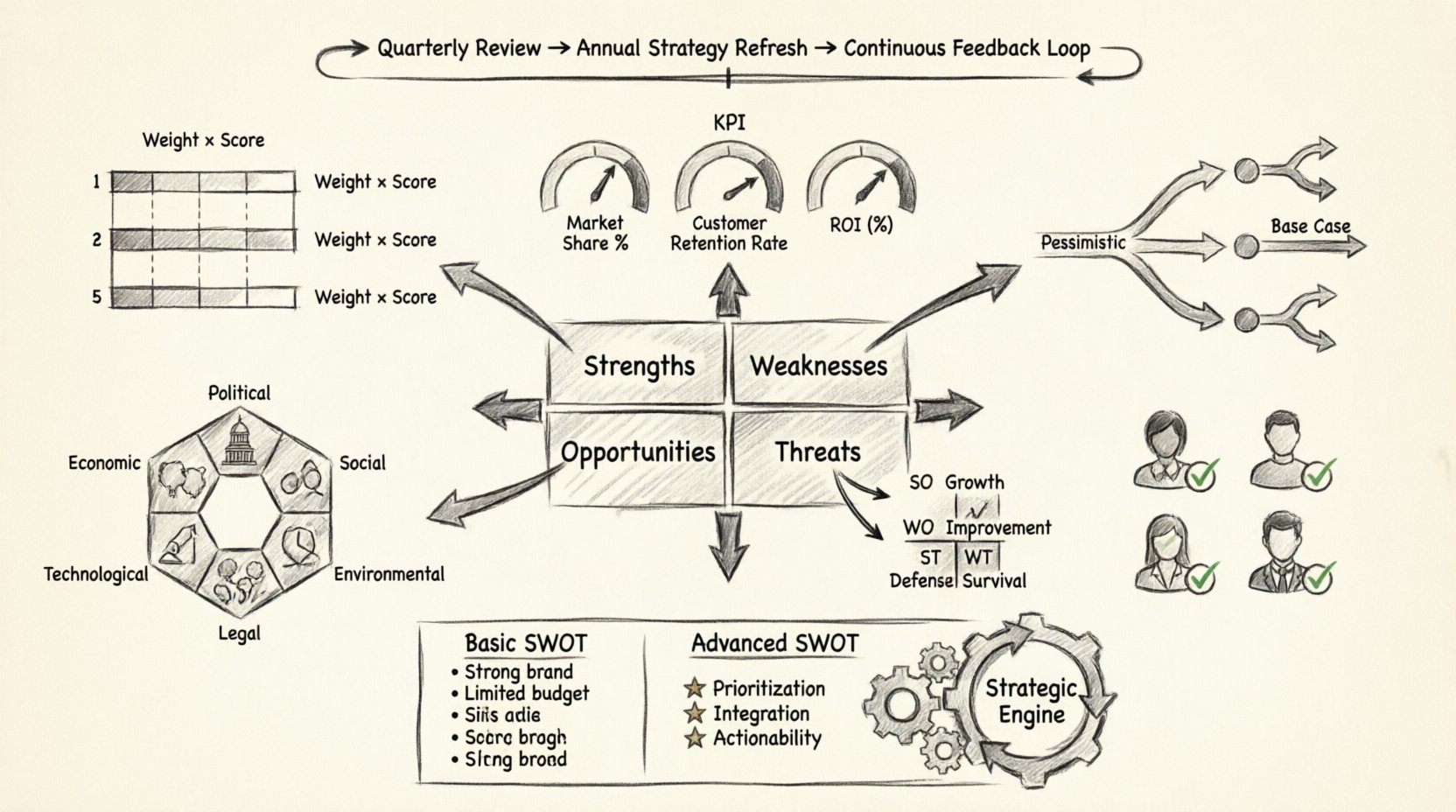
Strategic planning often begins with a simple grid. The SWOT Analysis—Strengths, Weaknesses, Opportunities, and Threats—is a staple in business education and boardrooms worldwide. However, a standard four-quadrant list often fails
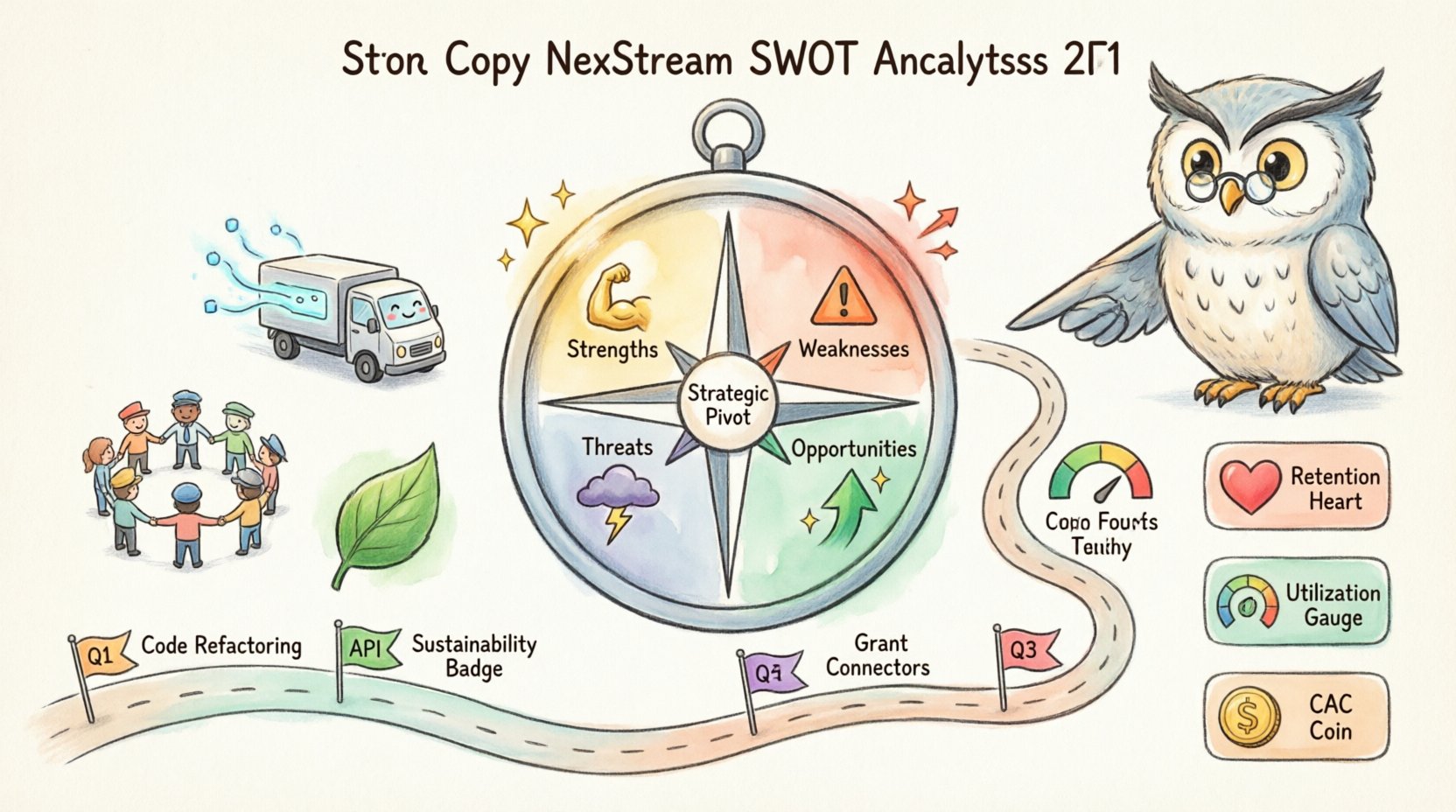
In the fast-paced environment of modern business, the ability to adapt is often more valuable than the initial idea itself. Startups frequently encounter moments where their original vision clashes with