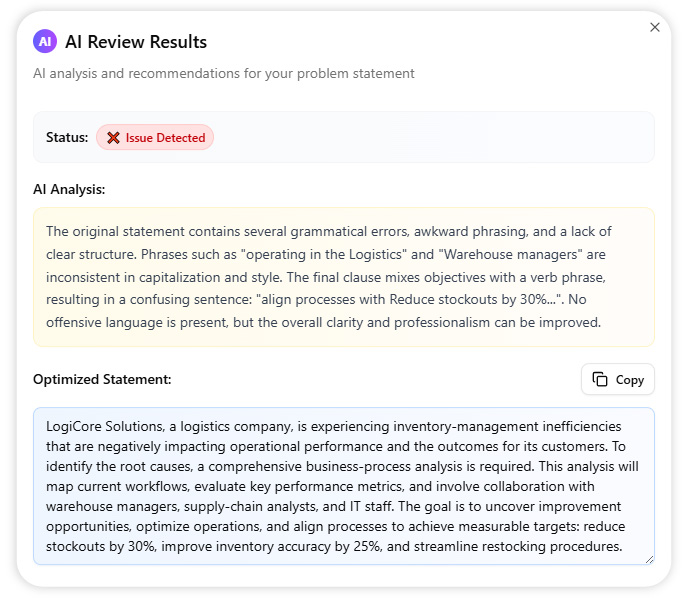
Generated Problem Description LogiCore Solutions, a logistics company in the logistics industry, aims to address inventory management inefficiencies, impacting warehouse managers, supply chain...
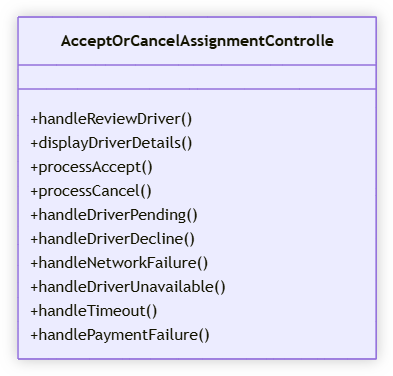
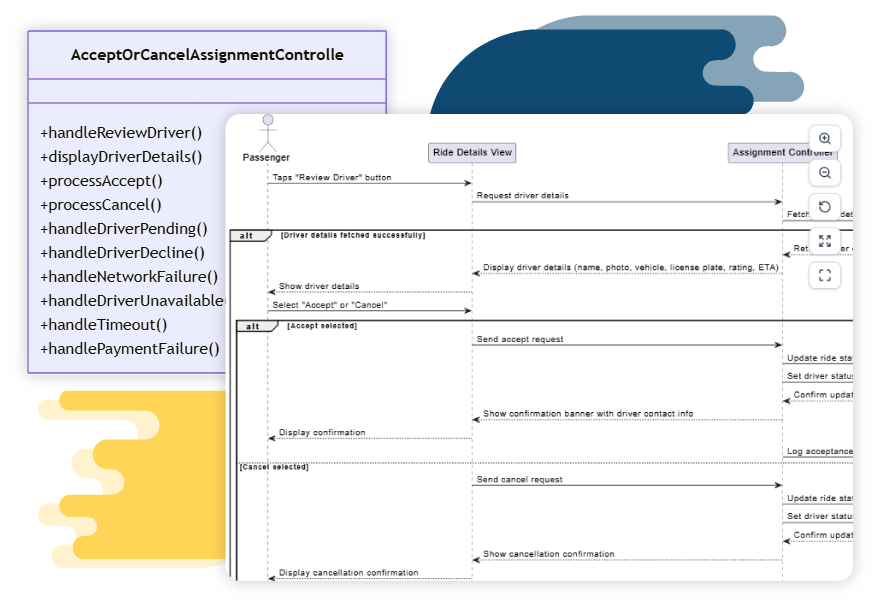
A Controller Class Diagram is a specialized diagram used in MVC (Model–View–Controller) architecture to represent the controller layer of a system. Unlike standard UML class diagrams that cover the...
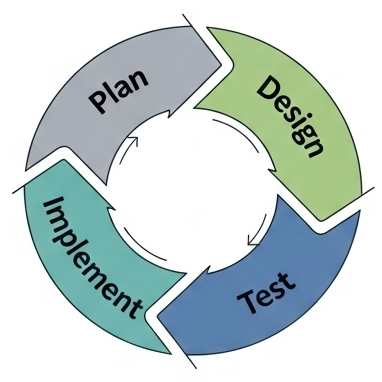
Why System Design Must Be Iterative System requirements rarely remain static. New features are requested, user feedback highlights gaps, and technical constraints reshape initial ideas. In such a...
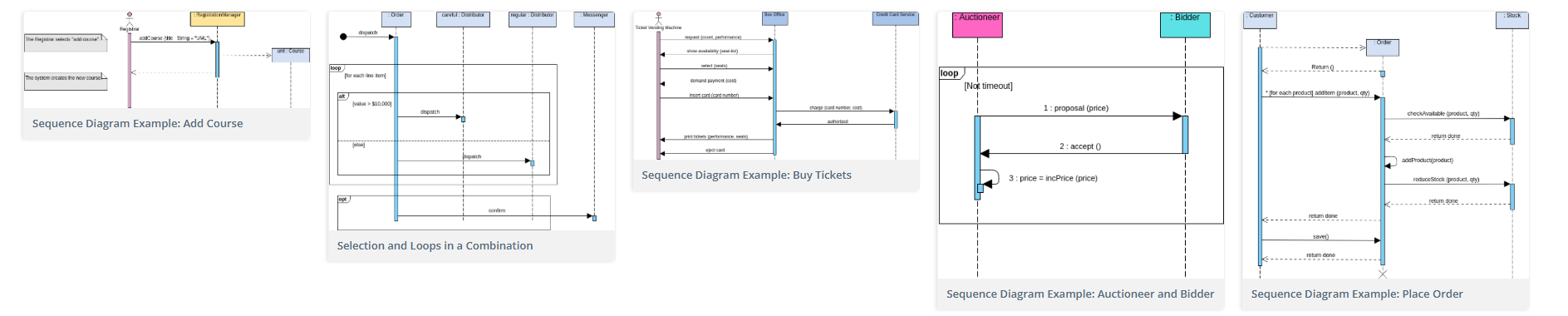
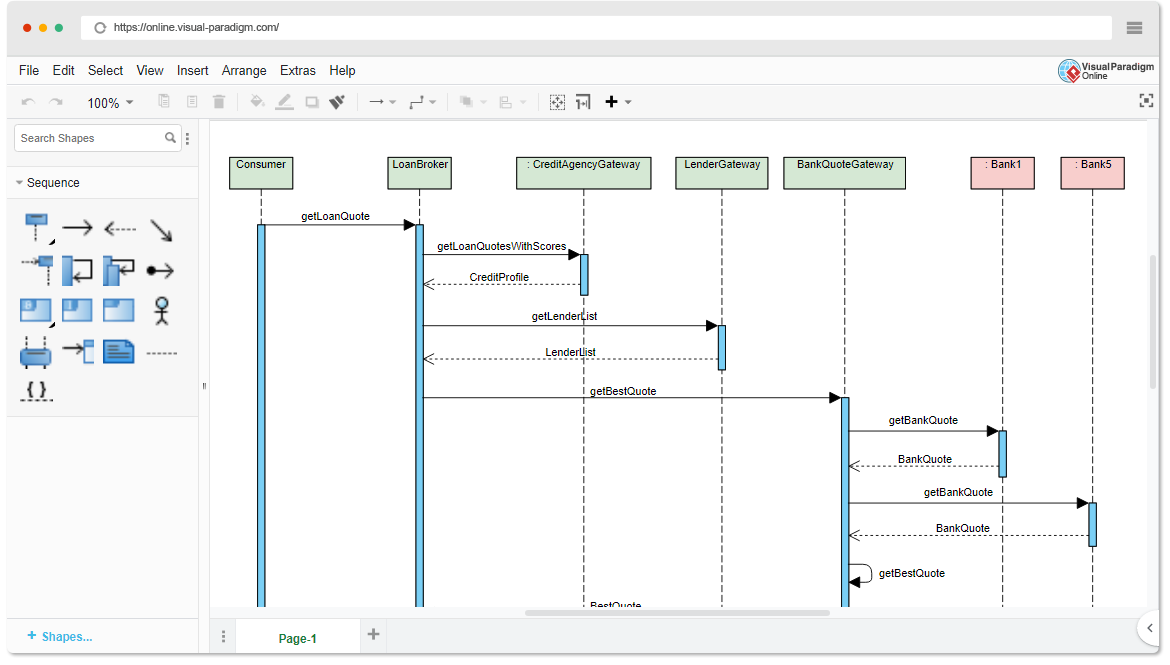
Introduction to Sequence Diagrams A sequence diagram is a type of UML diagram that shows how objects interact with each other over time. It focuses on the order of messages exchanged, making it one of...
Why Compare UML Diagrams? UML offers multiple diagram types, each highlighting different aspects of a system. While they may overlap, they serve unique purposes. Knowing when to use sequence diagrams...
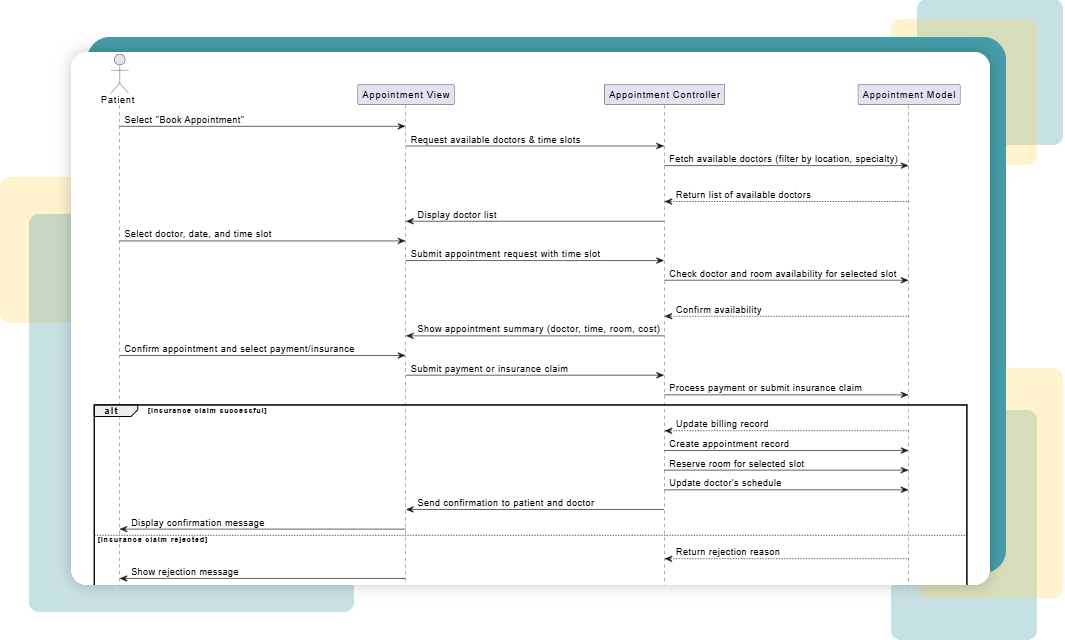
Sequence diagrams play a vital role in translating user interactions into structured system architecture. By showing the flow of messages between actors and system components, they provide the missing...
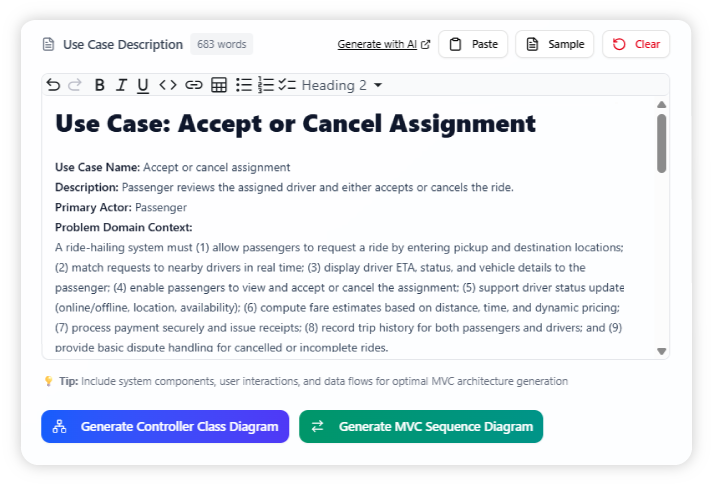
A clear use case description is the foundation of effective system design. Before drawing sequence diagrams, documenting what a system should do in simple language ensures accuracy, consistency, and a...
The Accept or Cancel Assignment use case is a central function in ride-hailing platforms. It shows how a driver receives a ride request, reviews passenger details, and decides whether to accept or...
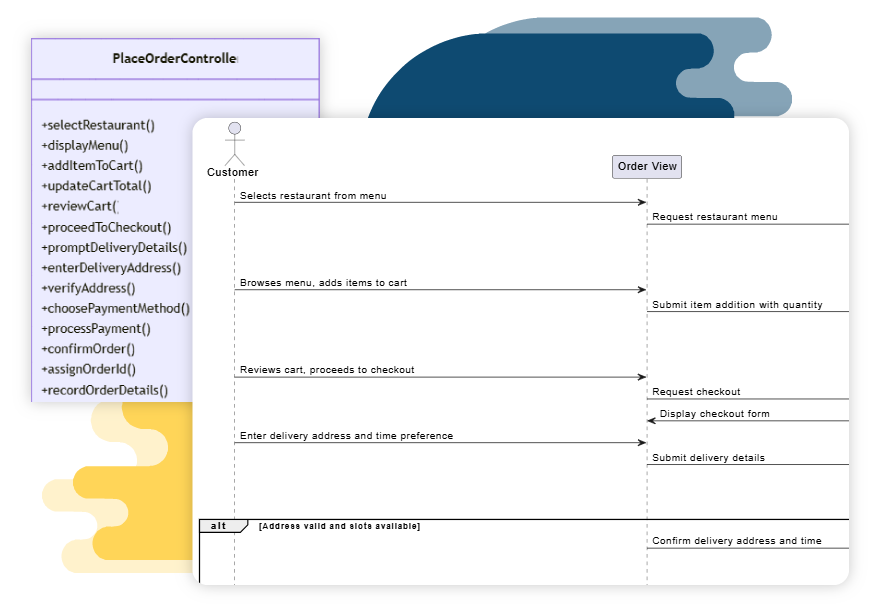
The Place Order use case is a key feature in food delivery and online ordering platforms. It demonstrates how a customer selects a restaurant, browses the menu, adds items to the cart, and reviews the...
 Visual Paradigm Desktop |
  Visual Paradigm Online