


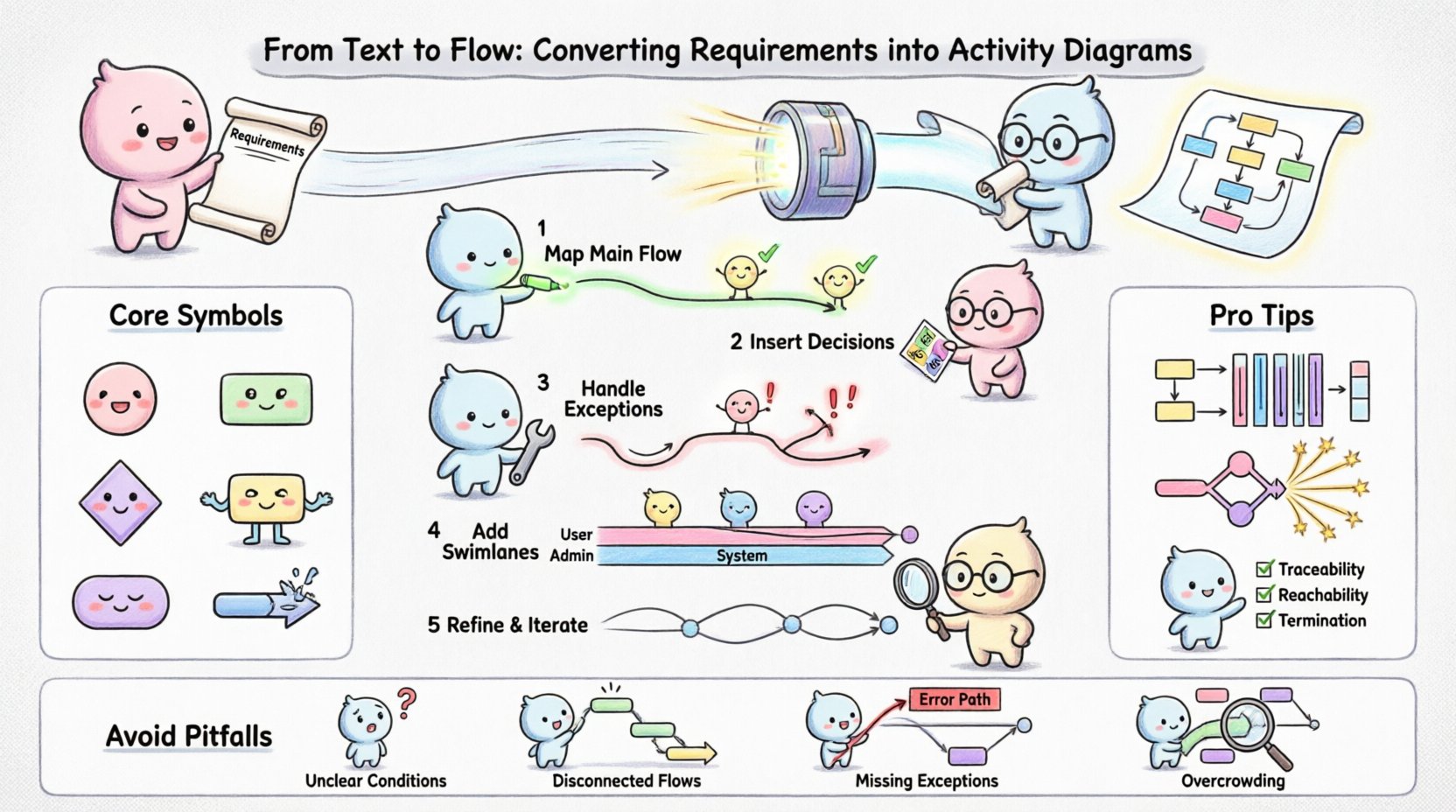
In systems engineering and software development, the gap between written requirements and technical implementation often leads to misunderstandings. Stakeholders provide text, developers provide logic, and the connection between the two

In systems engineering and software development, the gap between written requirements and technical implementation often leads to misunderstandings. Stakeholders provide text, developers provide logic, and the connection between the two
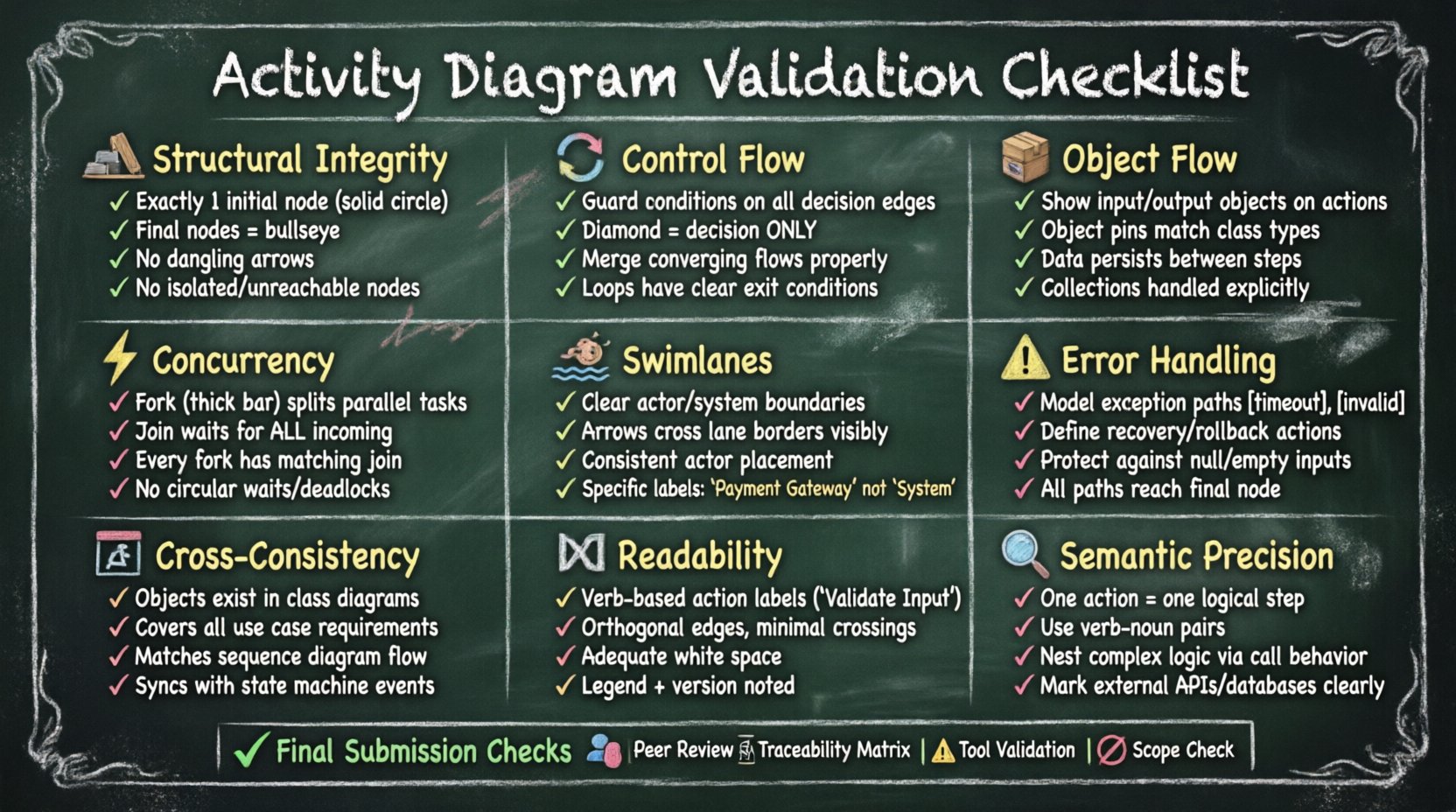
Activity diagrams serve as the backbone of system behavior modeling. They translate abstract business processes into visual workflows that developers and stakeholders can interpret. When these diagrams contain structural or
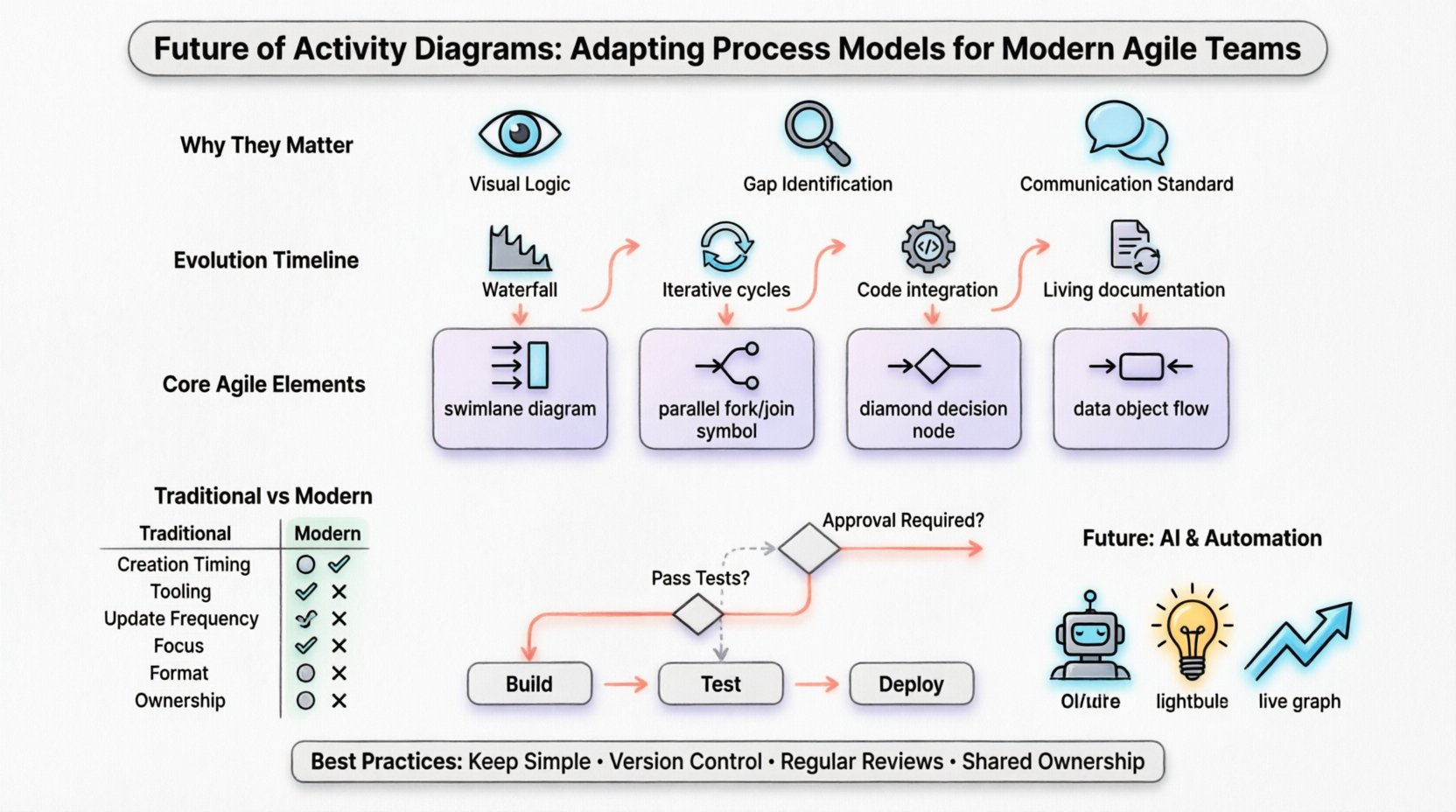
The landscape of software development has shifted dramatically. While methodologies have evolved from rigid waterfalls to fluid agile frameworks, the need for clear process visualization remains constant. Activity diagrams, once
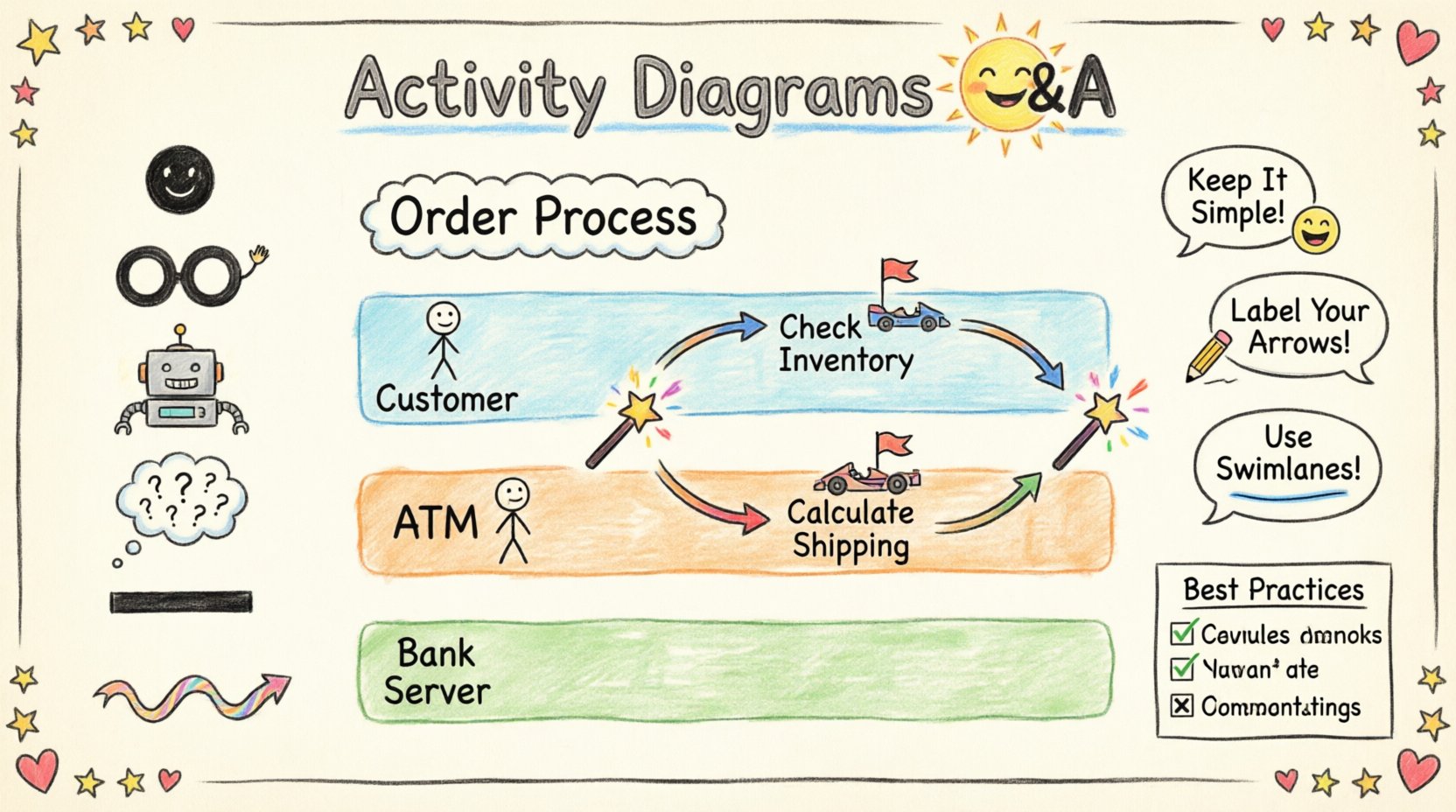
System design requires precision. When mapping out complex workflows, visual clarity becomes the backbone of successful implementation. Activity diagrams serve as a critical tool in this process, offering a dynamic
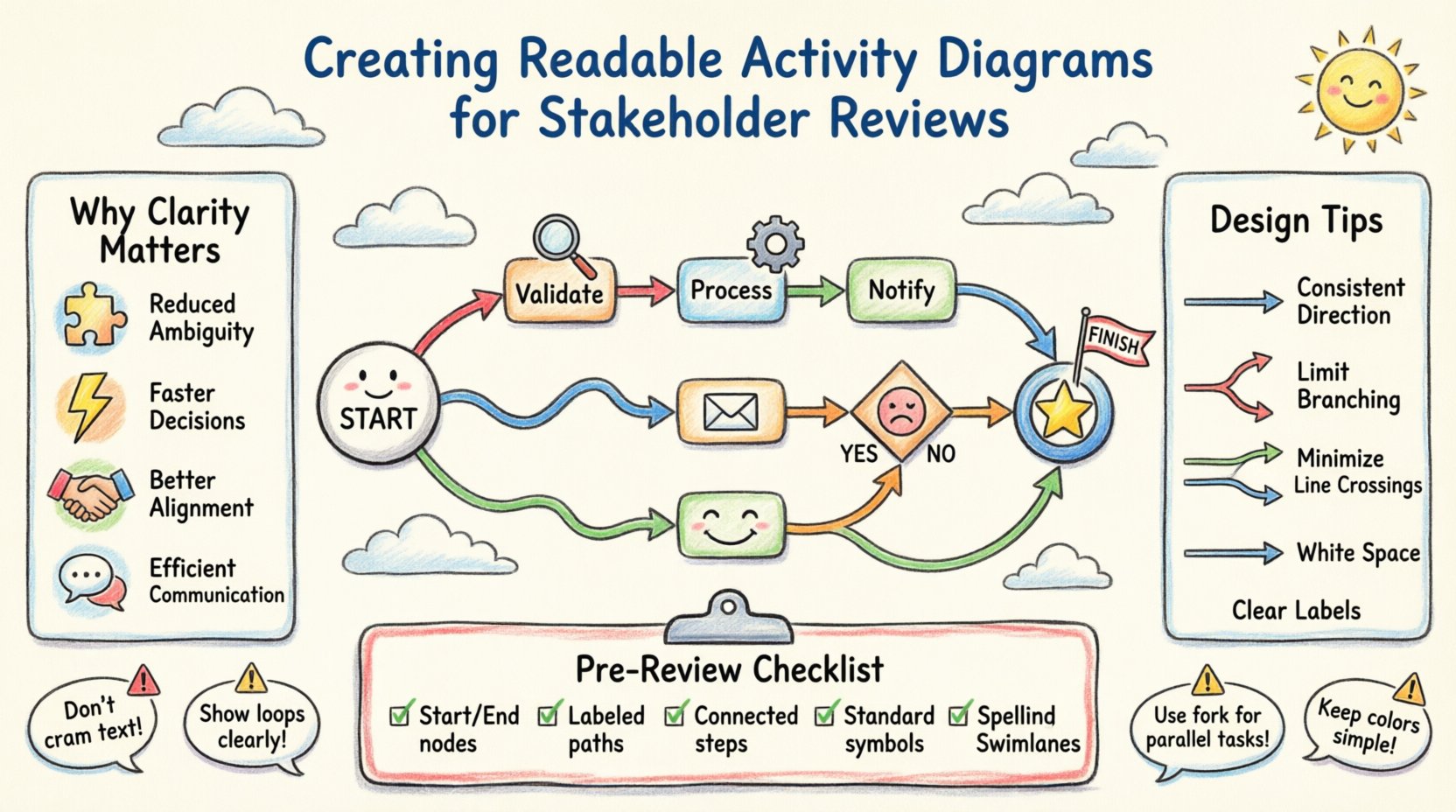
Visual communication serves as the backbone of successful business process analysis. When stakeholders review technical workflows, they require clarity above all else. An activity diagram is a powerful tool for
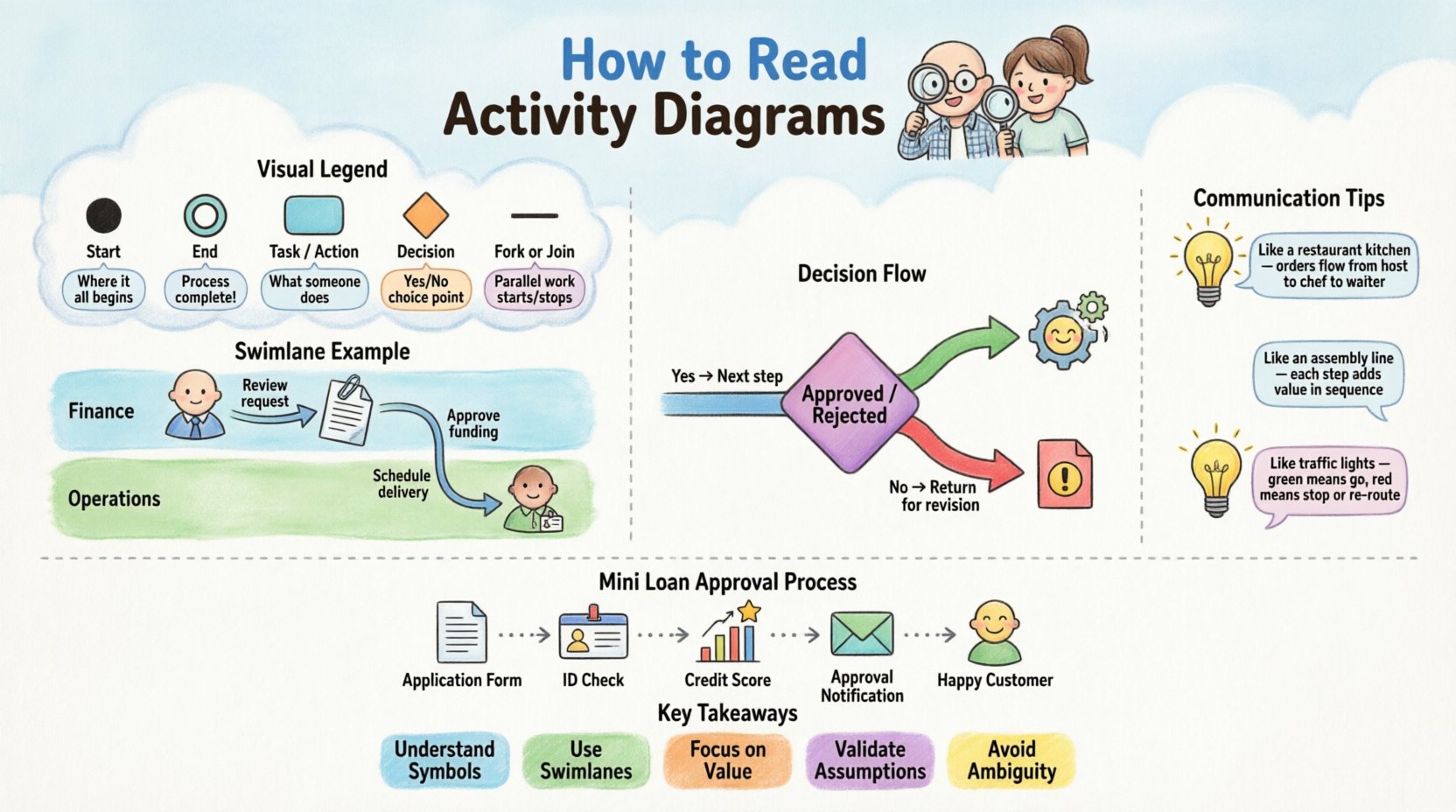
Process visualization is a critical component of effective business analysis. Among the various tools available, activity diagrams stand out as powerful instruments for mapping out workflows. However, technical representations often

Creating a robust activity diagram is a foundational task in system analysis and design. These visual models bridge the gap between abstract business needs and concrete technical specifications. Without a

Activity diagrams serve as the backbone of process modeling, offering a visual representation of the flow of control from one activity to another. When these diagrams contain logic errors, the
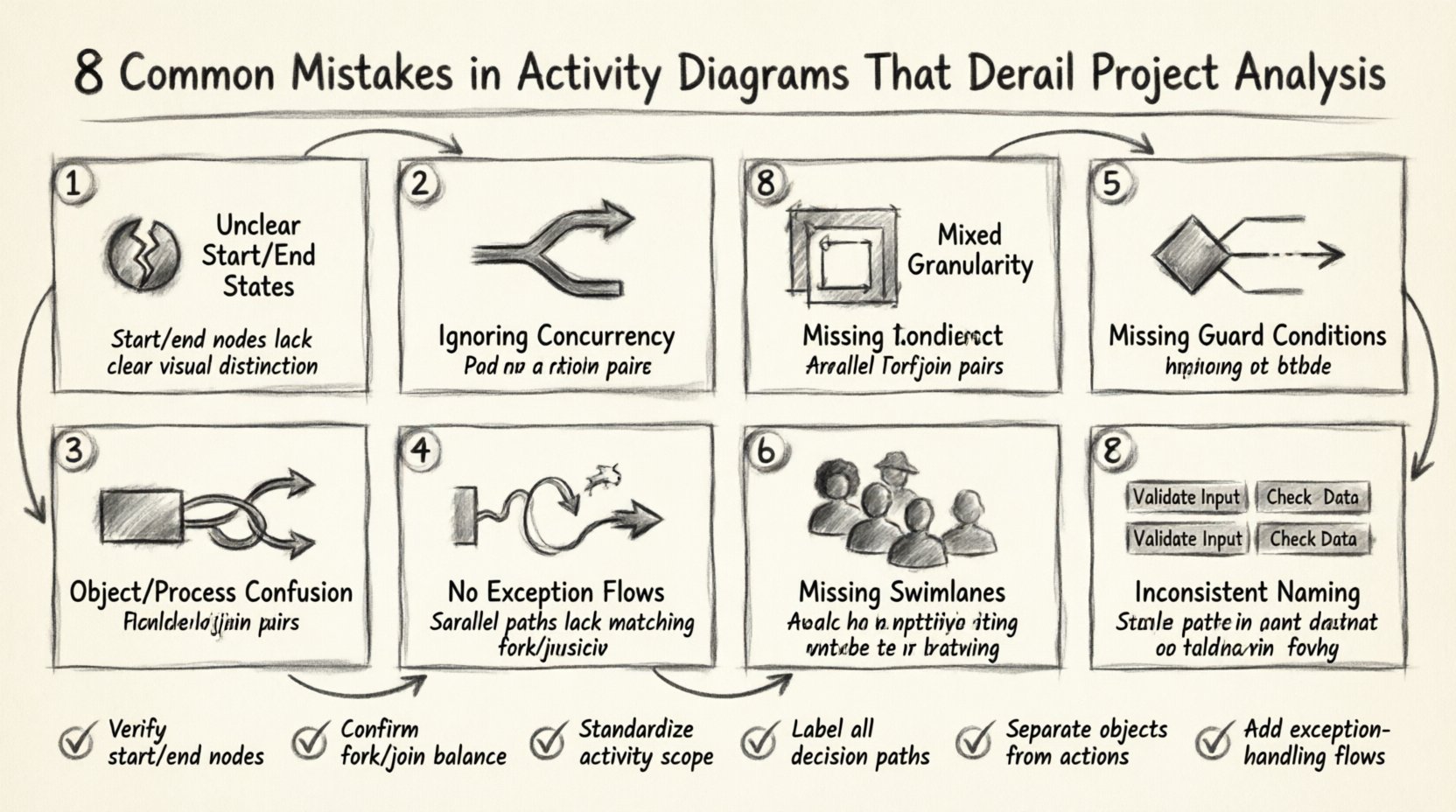
Activity diagrams are a cornerstone of system design and business process modeling. They provide a visual representation of the flow of control and data within a system. When crafted correctly,
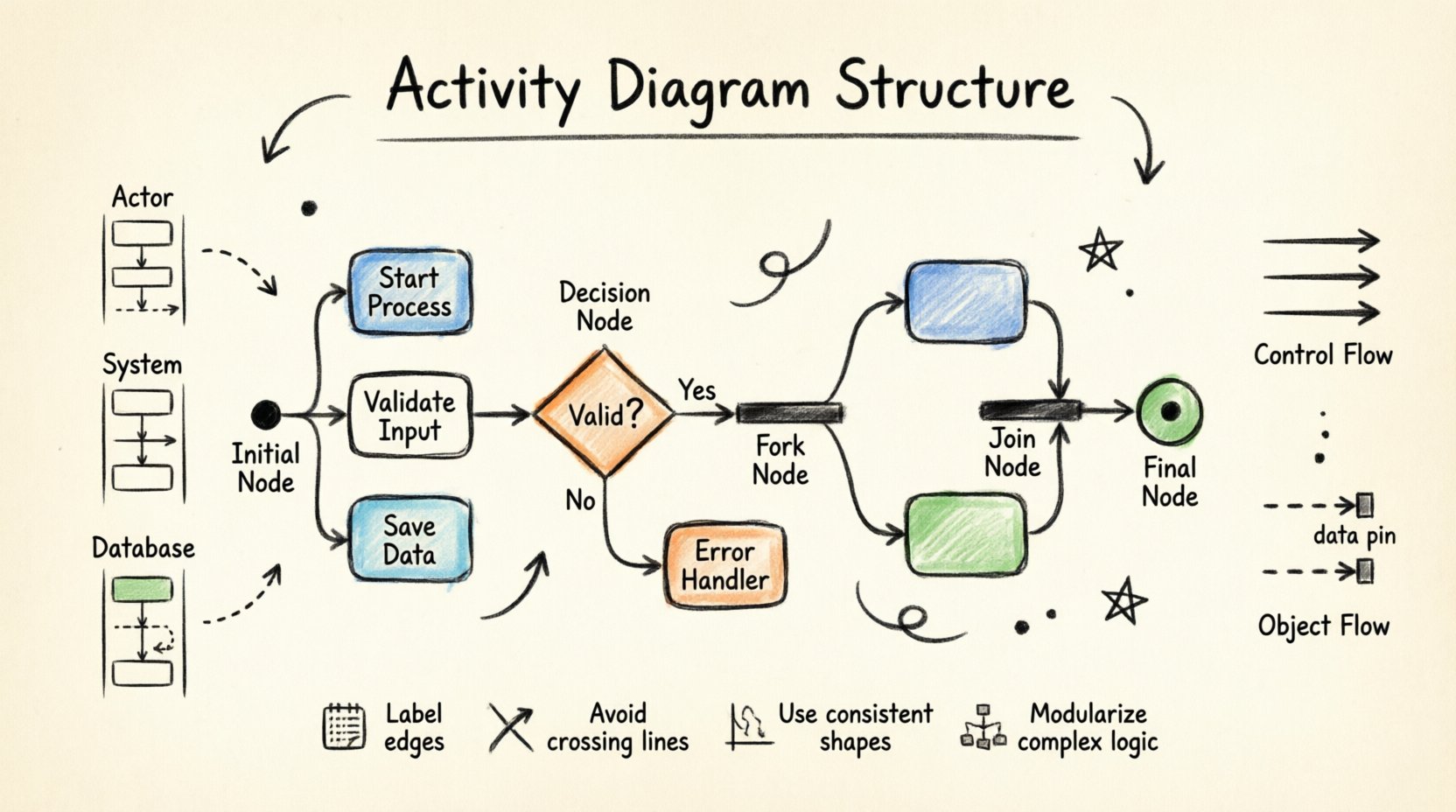
When modeling complex systems, clarity is paramount. An activity diagram serves as a dynamic representation of the workflow within a system. It captures the sequence of actions, the flow of