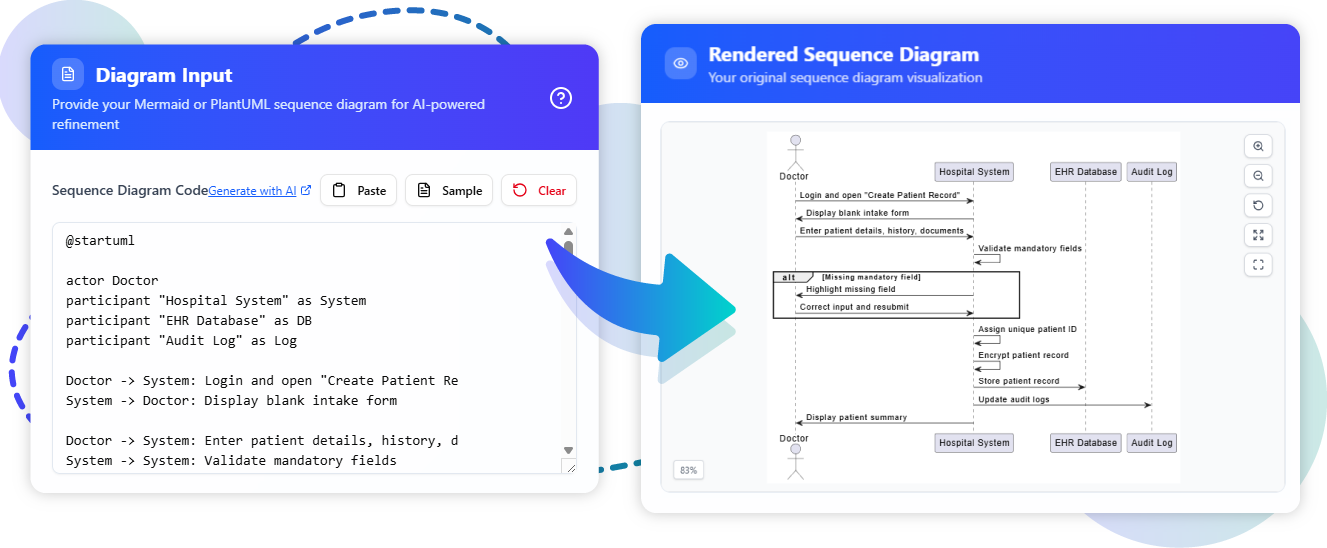
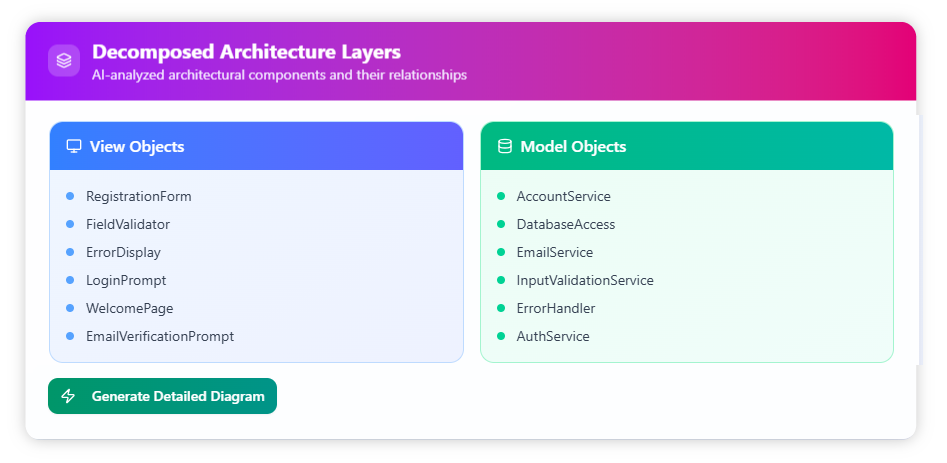
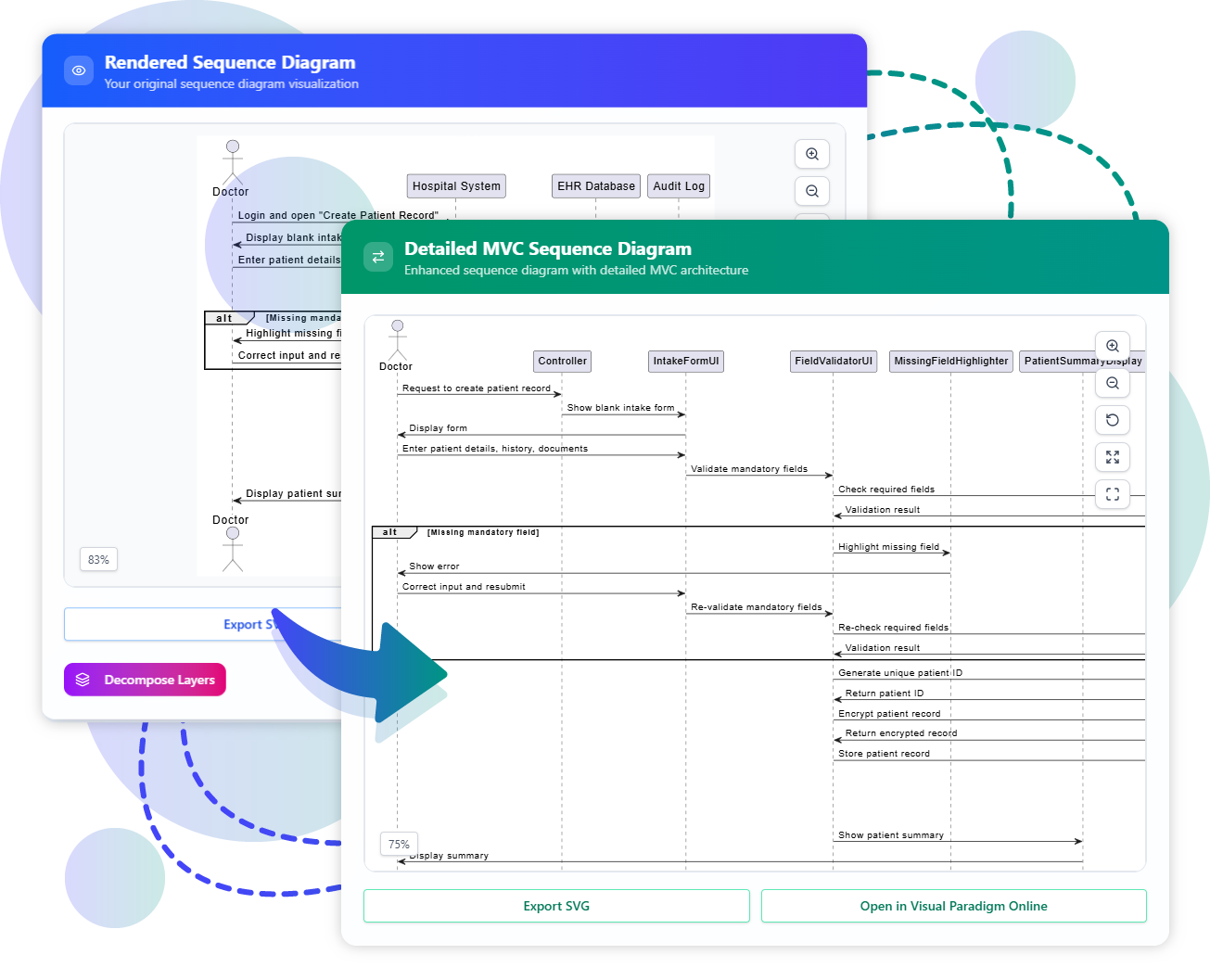
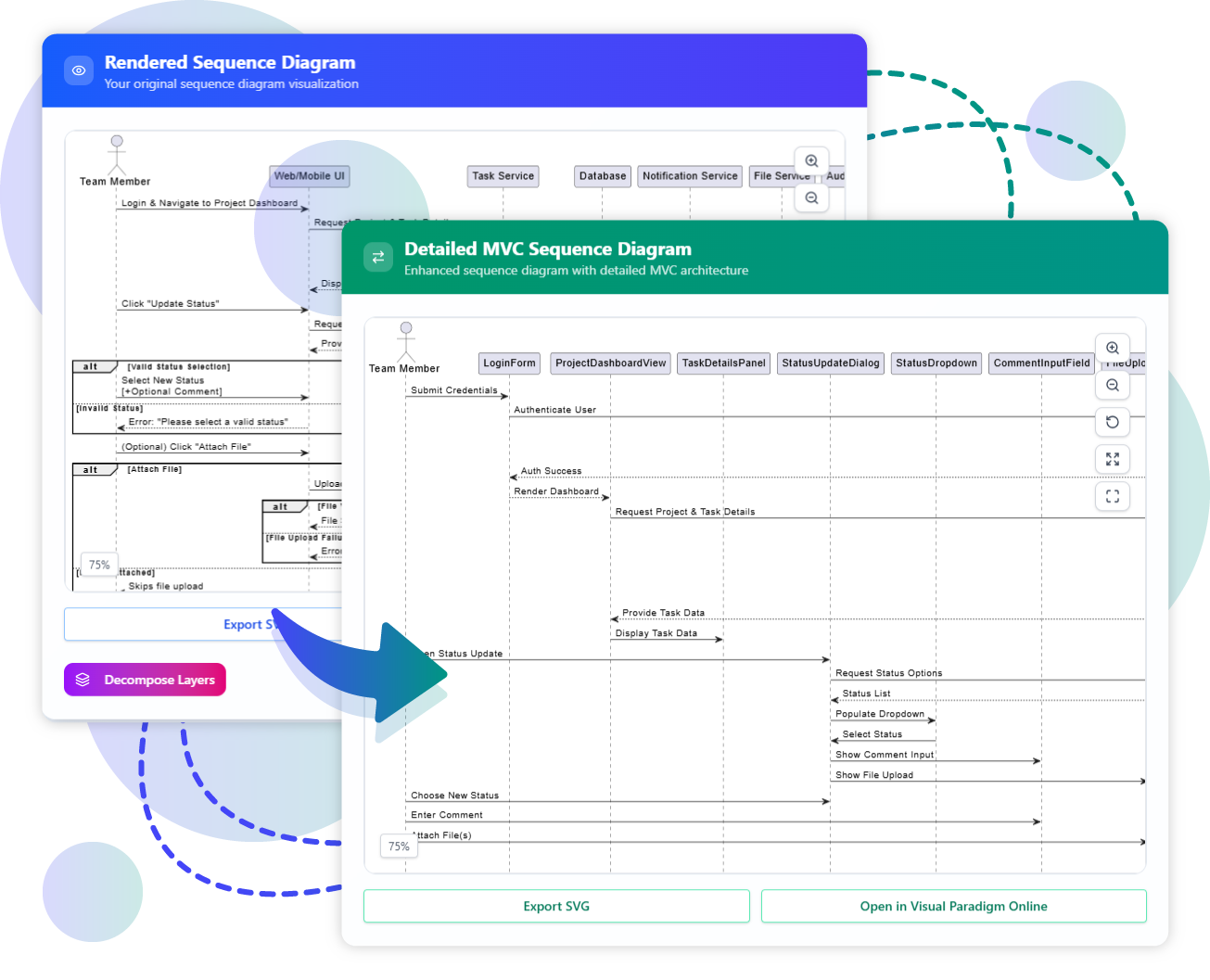
Large systems often start with simple sequence diagrams that outline how an actor interacts with the system. While these diagrams are useful, they can quickly become overloaded and hard to interpret...
Large systems often start with simple sequence diagrams that outline how an actor interacts with the system. While these diagrams are useful, they can quickly become overloaded and hard to interpret...
When working with sequence diagrams, it is common to mix user interactions and system logic in the same flow. While this gives a quick overview, it often blurs the boundaries between what the user...
In a CRM environment, security and proper authorization are crucial. The Manage Role Based Access scenario represents how administrators assign or adjust roles to control what different users can...
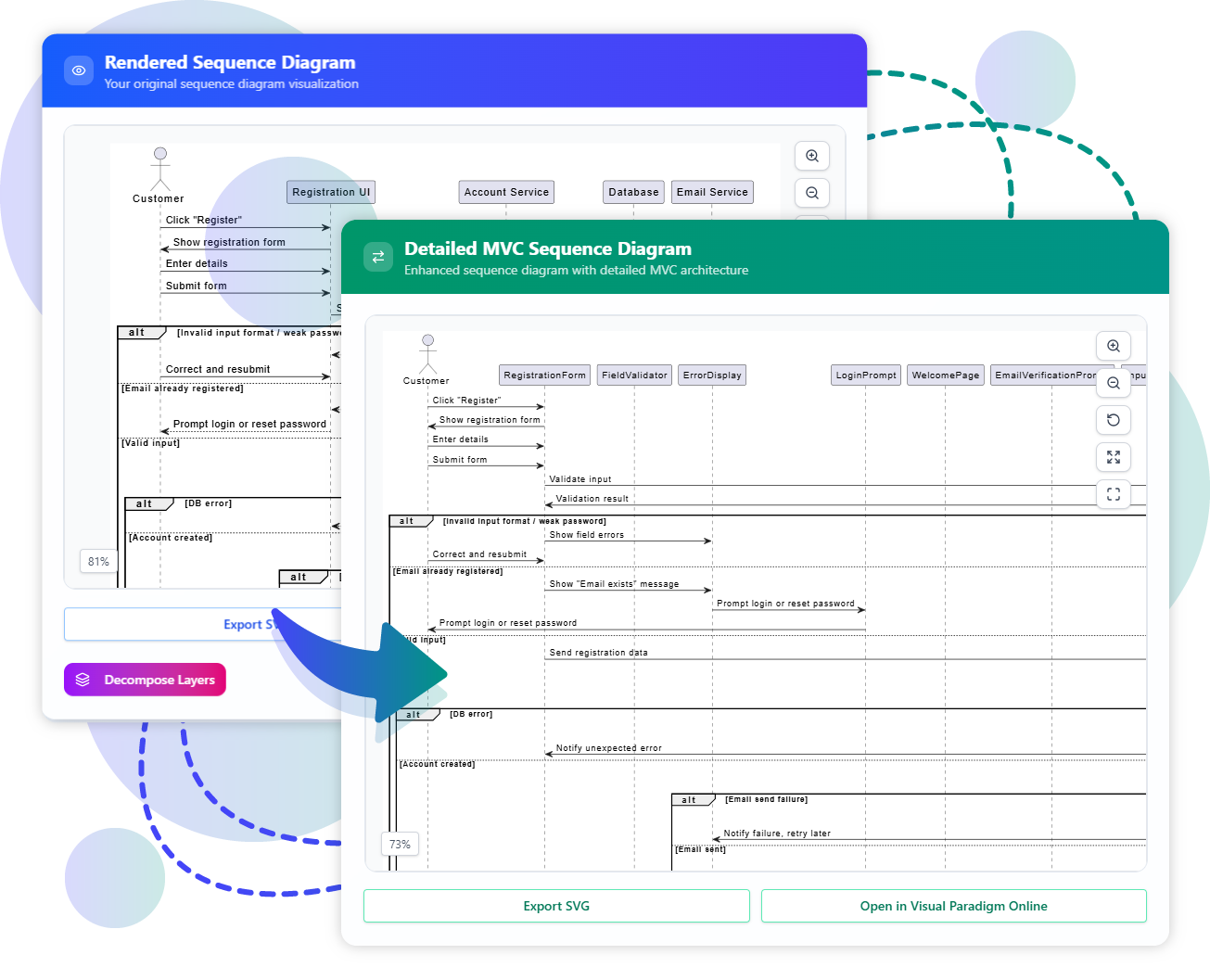
For an online retail platform, account registration is the first step in building a customer relationship. The Register Account scenario describes how a shopper submits details, receives feedback on...
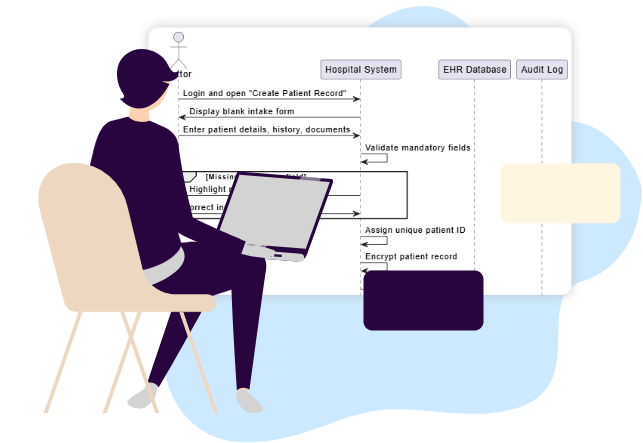
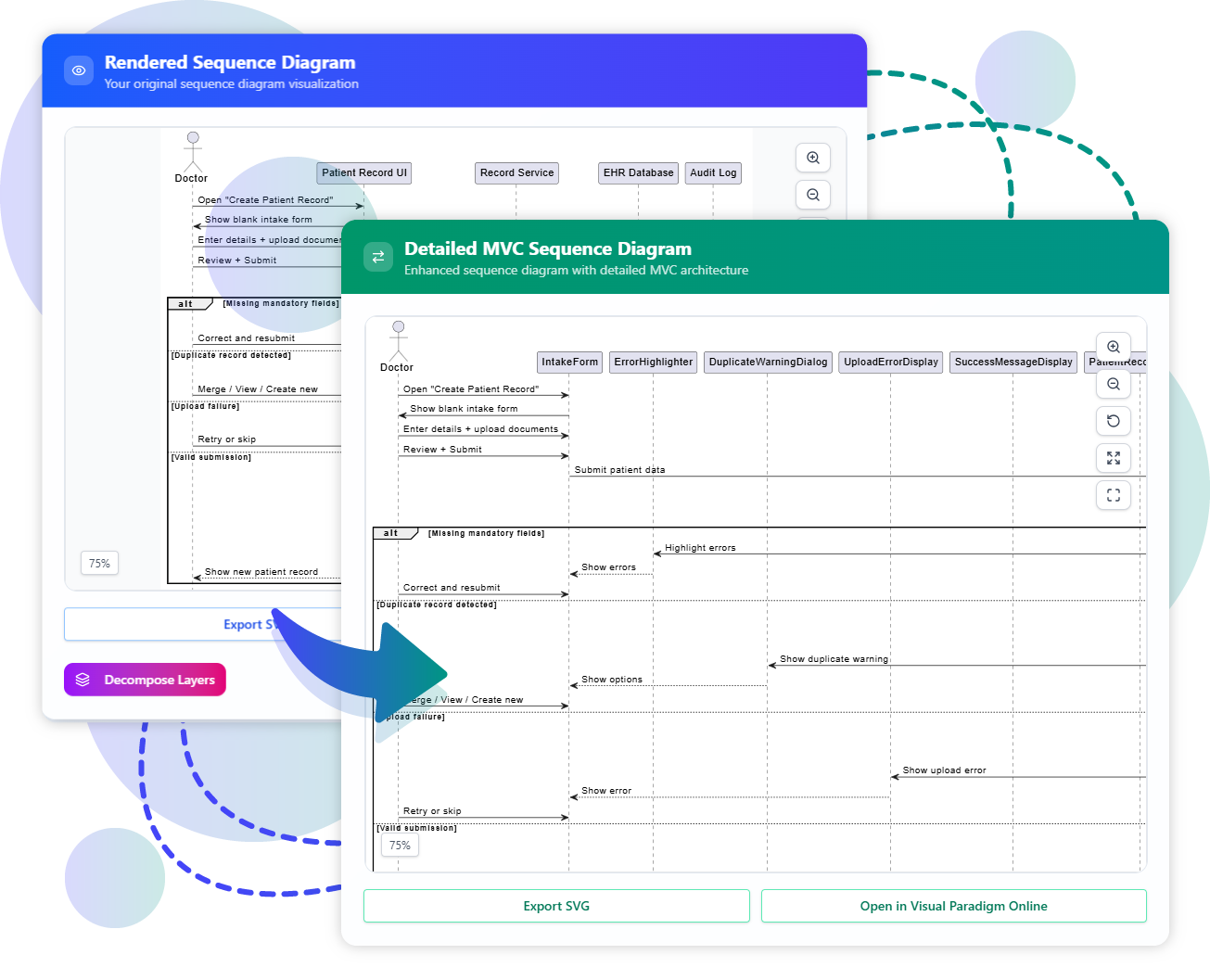
In modern healthcare, accurate and efficient record creation is critical. The Create Electronic Patient Record scenario captures how medical staff enter patient details, validate information, and...
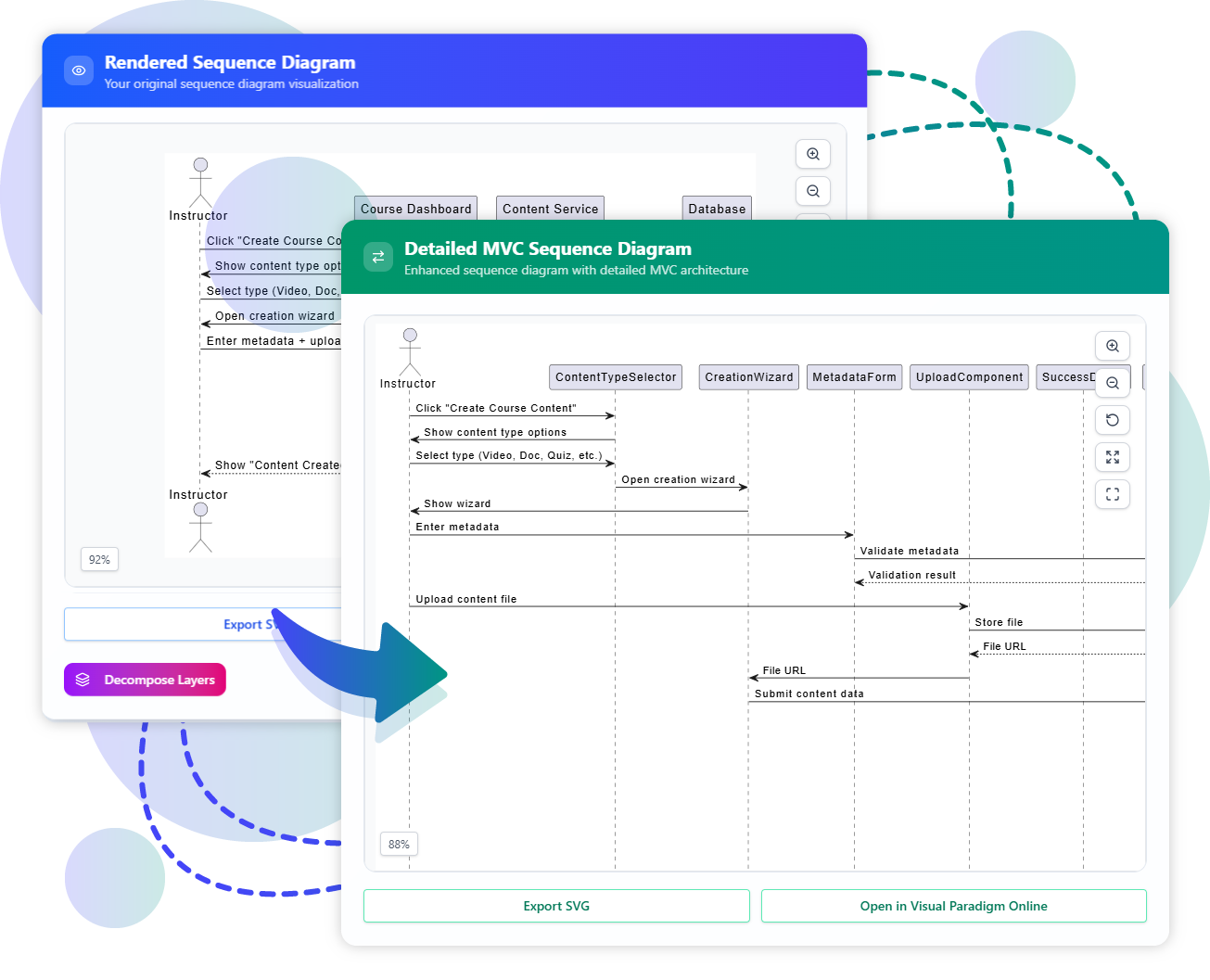
A strong e-learning system depends on how efficiently instructors can create and manage course materials. The Create Course Content scenario reflects this process, showing the flow from selecting...
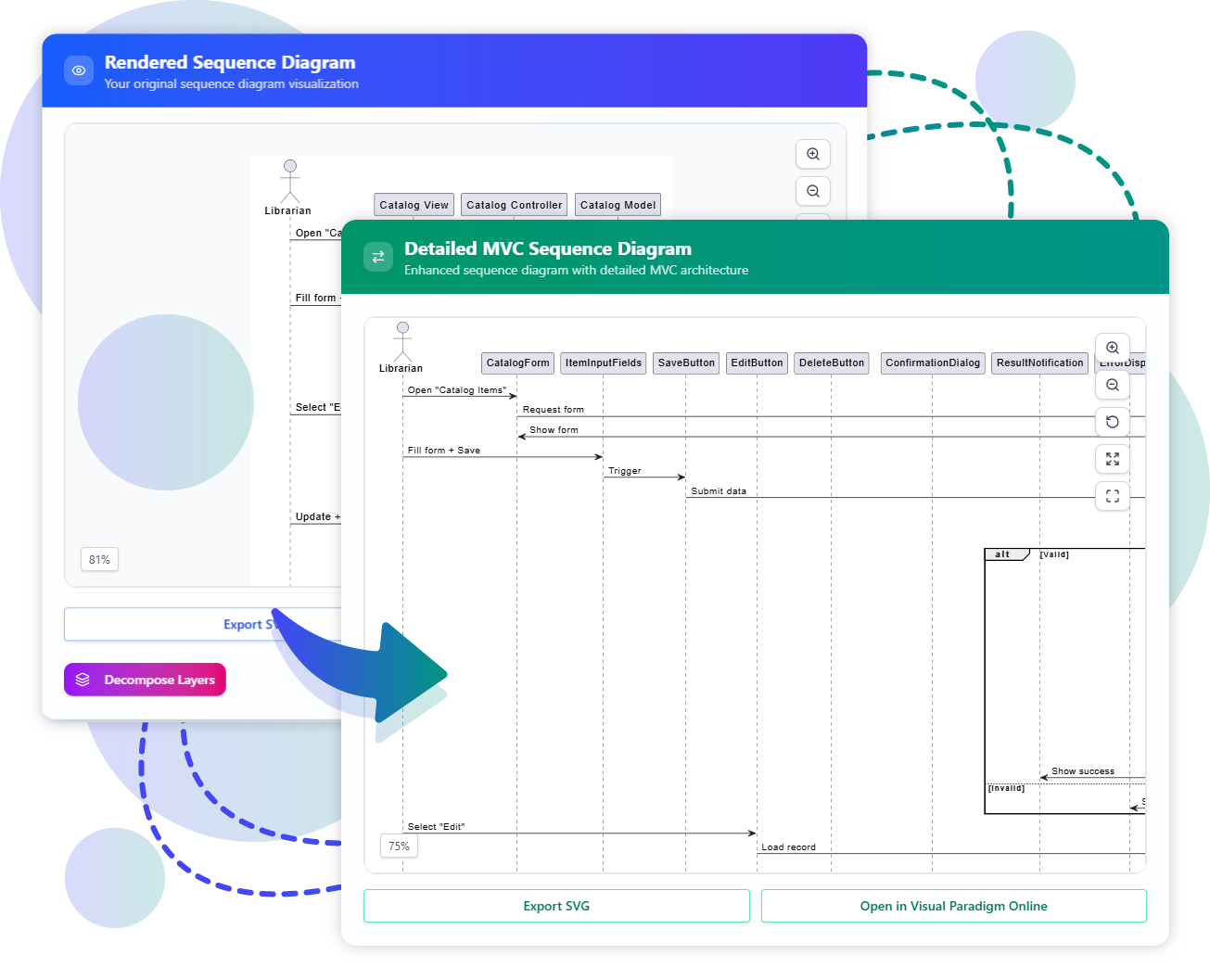
In a library environment, the catalog is the backbone that connects readers with books and resources. The Catalog Items use case illustrates how a librarian or patron views, validates, and manages...
Keeping track of progress is vital in task management systems. The Update Task Status use case allows a team member to modify the current status of a task, add comments, and attach files so that the...
 Visual Paradigm Desktop |
  Visual Paradigm Online